Disclosure: This post contains affiliate links. If you buy through one of them, I may earn a small commission at no extra cost to you.
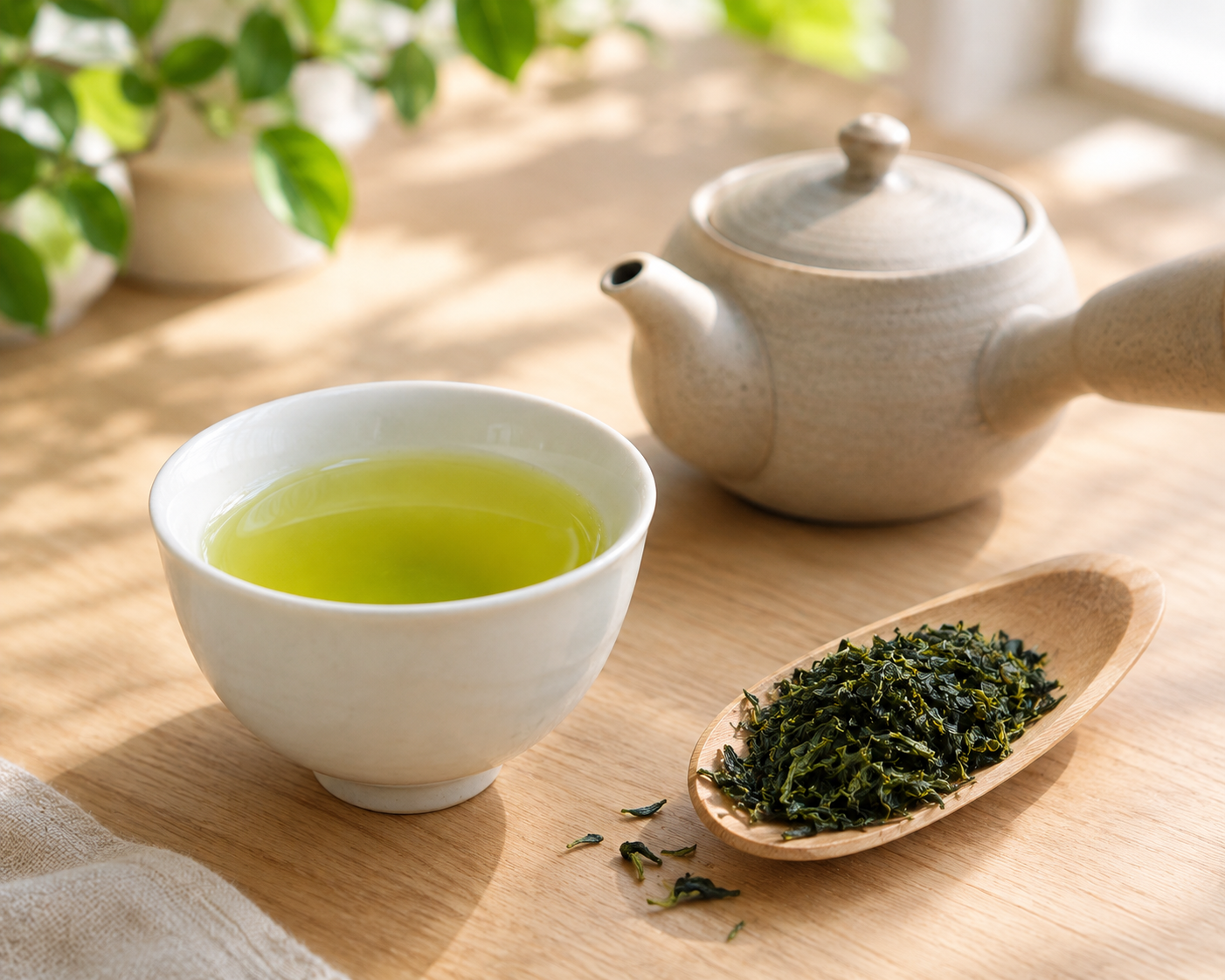
The first time I made cold-brewed sencha, I expected a weaker, iced version of my usual cup. What came out of the fridge the next morning was something else: pale, clear and noticeably sweet, with almost none of the slight bitterness I was used to from hot sencha. I hadn’t changed the tea at all – only the water temperature. In Japan this method is called mizudashi, literally “water extraction,” and it’s one of the easiest ways to make even an ordinary bag of sencha taste better.
The Problem You’re Actually Trying to Solve
Most people who make iced green tea do it by brewing hot tea and pouring it over ice, then wonder why it tastes thin or bitter. Others leave a tea bag in cold water overnight and end up with something murky and grassy. Cold brewing loose Japanese green tea works beautifully, but only with the right ratio, the right timing and one rule most guides skip: take the leaves out when it’s ready.
Who This Article Is NOT For
- If you want cold matcha, this isn’t the method – matcha powder is whisked or shaken, not steeped. My cold brew matcha guide covers that separately.
- If you want the sharp, brisk bite of hot sencha, cold brewing will feel too mellow. That softness is the whole point.
- If you’re avoiding caffeine completely, cold brewing reduces it but doesn’t remove it. A caffeine-free drink like mugicha is the better choice.
Why Cold Water Changes the Taste
Green tea gets its flavor from a few groups of compounds that dissolve at very different temperatures:
- Theanine, the amino acid behind green tea’s sweetness and umami, dissolves readily even in cold water.
- Catechins, which bring bitterness and astringency, extract poorly in cold water. Their extraction becomes much more active above roughly 60°C (140°F).
- Caffeine also extracts more slowly in cold water, so cold-brewed tea is usually noticeably lower in caffeine than the same tea brewed hot.
So cold water doesn’t just make tea colder. It changes the balance: more of the sweet, savory side and much less of the bitter side. That’s why a tea that tastes a little harsh hot can taste smooth and sweet cold.
The Basic Mizudashi Method
- Tea: 10-15g of loose-leaf sencha per 1 liter of cold water (roughly 2-3 tablespoons). Use 10g for a lighter cup and 15g for more body.
- Water: Cold, filtered water if possible.
- Time: 3-6 hours in the fridge.
- Then: Strain or remove the leaves, and keep the tea refrigerated.
Start tasting at about three hours. When it tastes right to you, take the leaves out. Leaving them in overnight is the most common mistake: extraction keeps going, and the tea slowly turns bitter and cloudy.
Water quality matters more than you’d think with cold brew, because there’s no heat to mask off-flavors. Chlorinated tap water, in particular, comes through clearly. My guide to water and Japanese tea explains why soft, filtered water works best.
Times for Different Teas
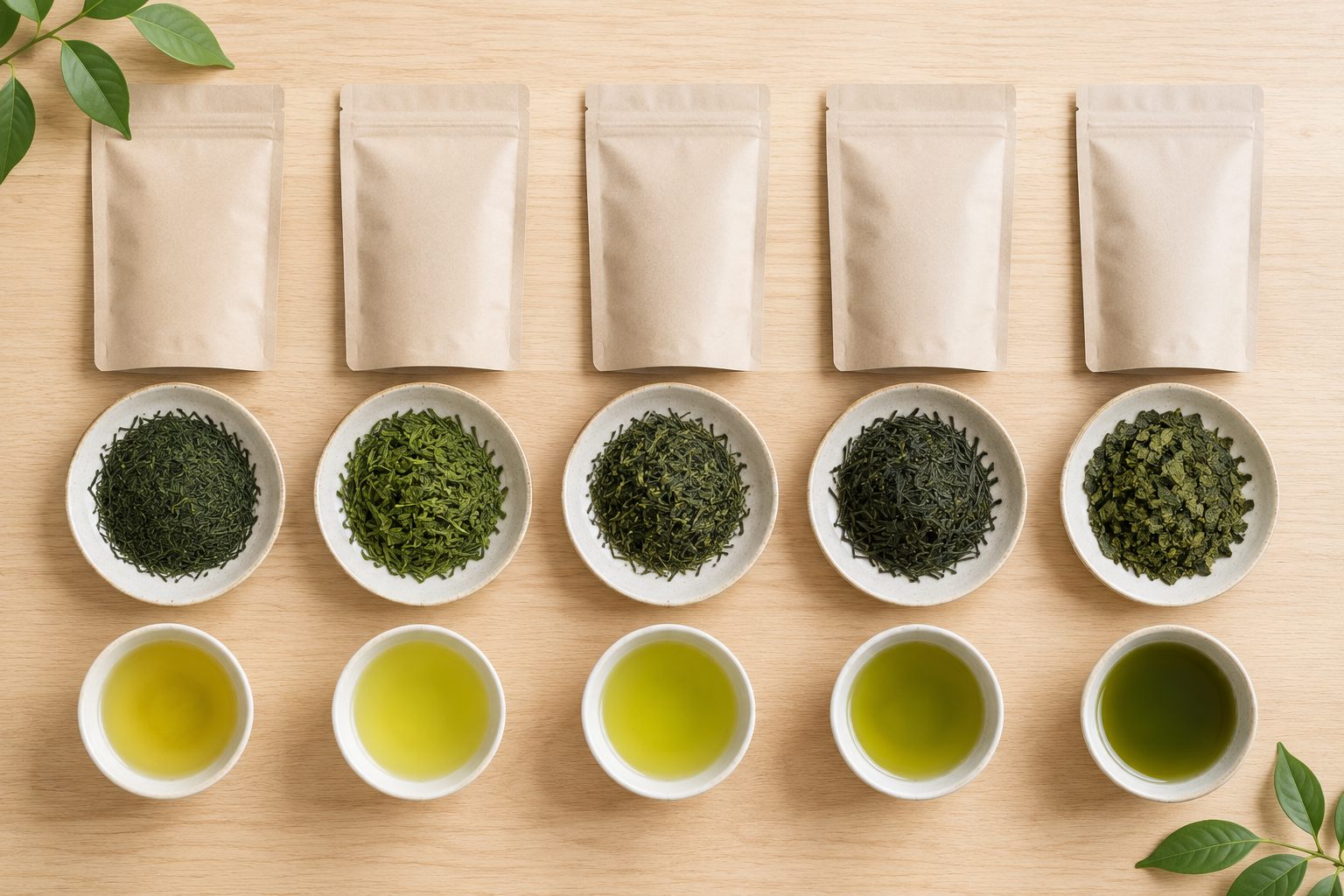
| Tea | Approx. cold brew time | What to expect |
|---|---|---|
| Fukamushi sencha | About 3-5 hours | Brews quickly; deep green, rich and sweet |
| Sencha | About 4-6 hours | The classic: clear, sweet, refreshing |
| Genmaicha | About 4-6 hours | Toasty and mellow |
| Hojicha | About 6-8 hours | Soft, roasty, very little bitterness |
| Gyokuro / kabusecha | Better as koridashi (below) | Very sweet and savory |
Fukamushi sencha is a particularly good choice for beginners: its finer, more broken leaf extracts faster and gives a fuller, greener cup in less time.
Koridashi: Ice Brewing for Gyokuro
For high-theanine teas like gyokuro and kabusecha, there’s an even slower method called koridashi (also written kooridashi), or ice brewing. Instead of cold water, you let ice melt over the leaves:
- Put about 15-20g of leaves (for roughly a liter of ice) in a small teapot or bowl
- Cover the leaves with ice cubes
- Let the ice melt slowly at room temperature, about 30 minutes to 2 hours
- Swirl gently and pour
What you get is a small amount of very concentrated, almost syrupy tea – intensely sweet and savory, more like a broth than a drink. It’s not an everyday method, but it’s one of the best ways to taste what makes gyokuro special.
Flash Chilling: When You Want Aroma
If you want iced tea quickly, or you want more of green tea’s bright aroma than cold water gives, brew hot – around 80-90°C – and pour it straight over plenty of ice. Hot water pulls out aroma compounds that cold water leaves behind, and the instant chill helps keep them. It’s brighter and more fragrant than mizudashi, but with more bitterness. Many people keep both in rotation: mizudashi for smooth everyday tea, flash-chilled for a crisper glass.
Keeping It Fresh
- Remove the leaves once it’s ready
- Use a sealed glass container, away from strong-smelling food in the fridge
- Drink it within a day or two – ideally the same day or the next
- Re-steep once if you like – the same leaves usually give a second, lighter batch with fresh cold water
A Few Things People Ask Me
Can I cold brew tea bags? Yes, but loose leaf gives a cleaner, sweeter result. If you use bags, check the timing carefully, since finely cut leaf extracts fast and turns bitter sooner.
Does cold-brewed green tea have less caffeine? Usually, yes – caffeine extracts more slowly in cold water. How much less depends on the tea and how long you steep it, so treat it as “lower,” not “low.”
Can I use cheap sencha? Absolutely. Cold brewing is one of the kindest methods for everyday sencha, because it softens the bitterness that cheaper teas often have when brewed hot.
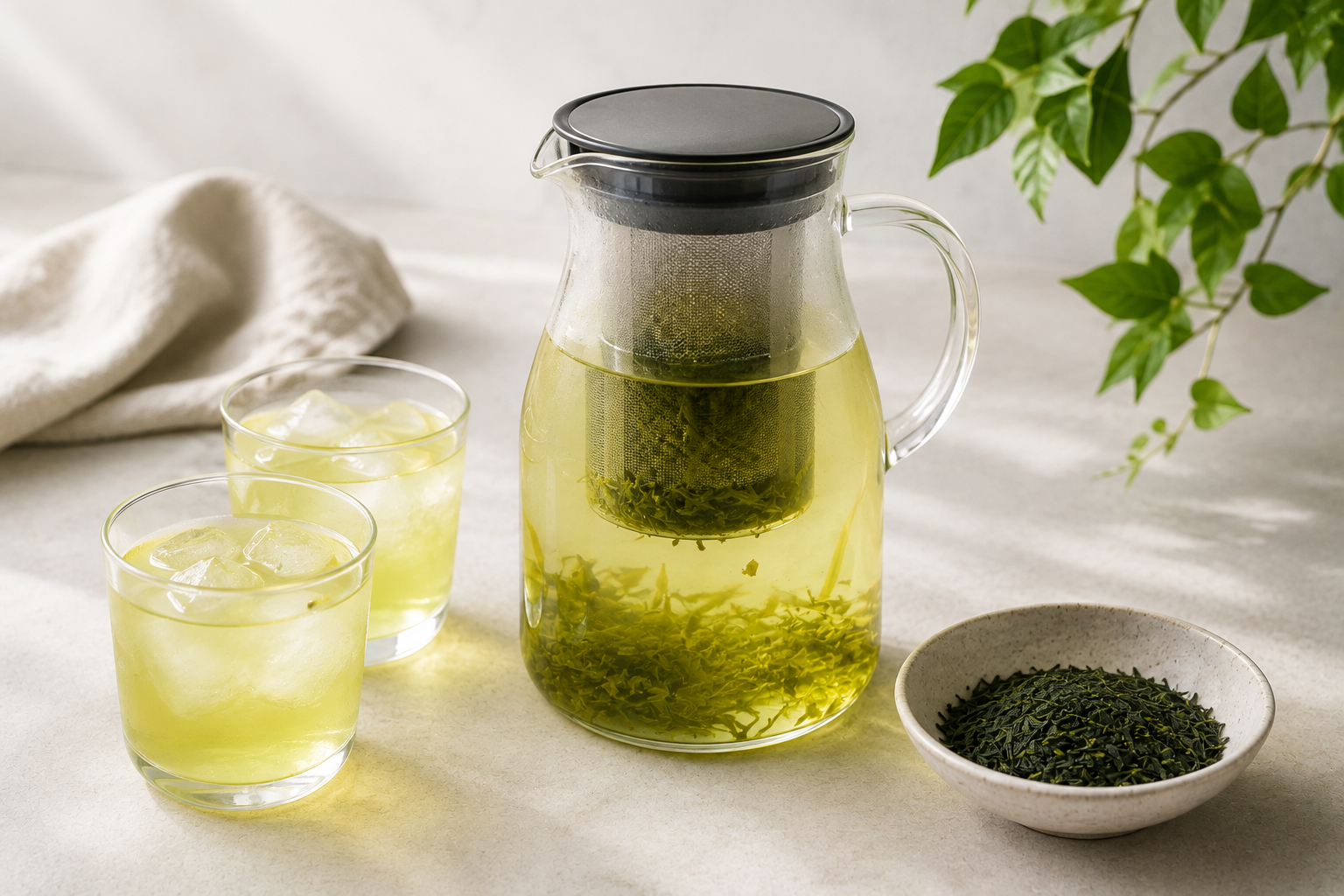
What do I need to start? A filter-in bottle makes this almost effortless – you put leaves in the built-in mesh, add water and pull the filter out when it’s done. A cold brew tea bottle with a built-in filter on Amazon works well, and Nio Teas’ sencha collection includes fukamushi senchas that are especially good for mizudashi.
Where I Landed
Mizudashi is the method I’d recommend to anyone who thinks they don’t like green tea. It takes almost no skill – leaves, cold water, a few hours, then take the leaves out – and it shows green tea at its sweetest and gentlest. Keep a bottle in the fridge for everyday drinking, try koridashi once with a good gyokuro, and flash-chill when you want something brighter. Same leaves, three very different glasses.