Tag: Matcha Gift Guide

  • Choosing Protective Packaging for a Matcha Gift

    Choosing Protective Packaging for a Matcha Gift

    Disclosure: This post contains affiliate links. If you buy through one of them, I may earn a small commission at no extra cost to you.

    Gifting matcha adds a wrinkle that buying it for yourself doesn’t: you’re not the one deciding how carefully it gets handled between now and the moment someone actually opens it, and you often don’t know how long it’ll sit unopened once it arrives. A beautiful presentation that fails to actually protect the tea inside is a gift that looks great in a photo and tastes disappointing by the time it’s used, which defeats the entire point of giving someone something genuinely good in the first place.

    The Problem You’re Actually Trying to Solve

    You’ve searched for protective matcha packaging because you’re choosing or building a gift and want it to look genuinely thoughtful while also actually keeping the tea fresh until the recipient gets around to using it, which for a gift is often longer than it would take you to work through a tin yourself.

    Who This Article Is NOT For

    Let’s save you some scrolling if this isn’t quite your situation.

    • If you’re storing matcha for your own daily use rather than gifting, my matcha storage guide covers that more directly.
    • If you’re deciding what tea or teaware to gift rather than how it’s packaged, my Japanese tea gift guide covers that broader decision.

    If you’re past that, here’s where the actual guide starts.

    Tin vs. Pouch, for Gifting Specifically

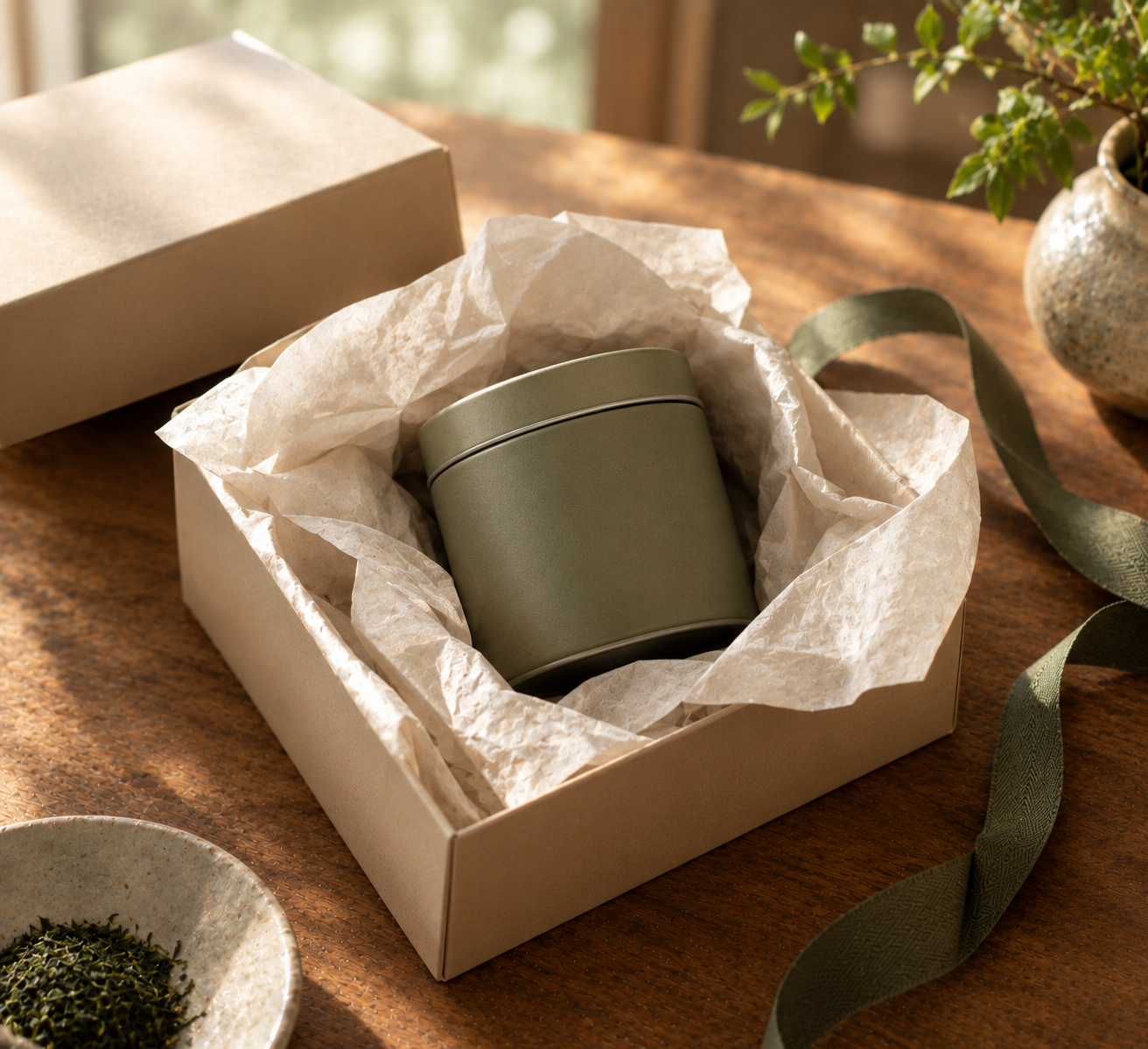
    Metal tins are the stronger default for a gift specifically, not just for everyday storage. They’re fully opaque, genuinely airtight when they use a gasket or double-lid design, and physically protect the contents from the kind of handling a gift might see in shipping or sitting in a bag. They also read as more premium on unboxing, which matters more for a gift than for tea you’re buying purely for yourself, and they’re reusable afterward, which pouches generally aren’t.

    Pouches can perform nearly as well when they use proper multi-layer barrier film with a reliable resealable closure, and they’re often more affordable, which matters if you’re including matcha as part of a larger gift set rather than the sole item. The tradeoff is that a lower-quality pouch is easier to damage or leave imperfectly resealed than a tin, which is a bigger risk for a gift you won’t personally handle again after giving it — you’re trusting the recipient to reseal it correctly every time, which isn’t a given for someone new to matcha.

    What to avoid entirely: clear glass or plastic packaging, however attractive it looks through a gift box window. Light exposure is one of matcha’s biggest enemies, and transparent packaging defeats a meaningful part of what protective packaging is for, regardless of how good it looks unwrapped. If a seller is using clear packaging specifically to show off the vivid green color, that same light exposure is quietly working against the product the whole time it sits on a shelf before the gift is even given.

    What Actually Signals Quality Protective Packaging

    A genuine airtight seal, whether a gasket lid on a tin or a proper zip-and-fold closure on a pouch, not just a snap-on lid that looks sealed but lets air through. If you’re buying rather than packaging matcha yourself, check product descriptions specifically for words like “airtight” or “gasket” rather than assuming any tin qualifies.

    Full opacity, not just a dark tint. Some packaging uses tinted rather than fully opaque material, which blocks less light than it appears to. A tin or foil-lined pouch is more reliable here than colored glass or plastic.

    A double-lid or inner-seal design, common on higher-quality tins, which adds a second layer of protection beyond the outer lid alone, particularly useful for a gift that might be opened and reclosed a few times by a curious recipient before being used regularly.

    Reasonable portion sizing for a gift specifically. A 30 to 40 gram tin is a common, sensible gift size, large enough to feel substantial but small enough that the recipient can reasonably work through it before quality declines, rather than a bulk size that outlives its own freshness before it’s finished.

    Building a Protective Gift Set, Not Just a Tin

    If you’re assembling a fuller gift rather than sending matcha alone, the packaging question extends to what surrounds the tin too. A gift box with a properly fitted insert keeps the tin from shifting and taking impact damage in transit, and pairing the tin with a chasen and chashaku gives the recipient everything they need to actually use the gift immediately rather than needing to source tools separately before their first cup.

    Where to Find Good Protective Tins

    Shop airtight matcha gift tins on Amazon →

    Shop matcha gift sets with tin and whisk on Amazon →

    A Few Things People Ask Me

    Is it worth repackaging matcha into a nicer gift tin if it originally came in a plain bag? Only if the replacement tin is genuinely airtight and opaque itself — transferring matcha into a decorative but poorly sealed container can do more harm than leaving it in a properly sealed original bag, however plain that bag looks.

    Does vacuum-sealed packaging offer a meaningful advantage over a standard airtight tin for gifting? It can extend freshness somewhat further, particularly useful if the gift might sit unopened for an extended period before the recipient starts using it, though a well-made standard airtight tin is sufficient for most gifting timelines under a few months.

    How do I know if a gift tin I’m buying is actually airtight, not just marketed that way? Look for a stated gasket or rubber seal in the product description, and check reviews specifically for mentions of the lid loosening or air getting in over time, since marketing language alone doesn’t always reflect real-world performance.

    Should I worry about the matcha degrading during shipping if I’m mailing a gift rather than handing it over in person? A genuinely airtight, opaque tin handles normal shipping timelines without meaningful degradation. The bigger risk with shipping is usually temperature extremes or rough handling denting a tin, not the packaging’s ability to block light and air specifically.

    Is it better to buy matcha already in gift-appropriate packaging, or buy plain matcha and package it myself? Buying from a seller whose standard packaging already meets the airtight, opaque criteria above is simpler and generally more reliable than repackaging yourself, since matching a proper seal at home is harder than it sounds. Reserve DIY repackaging for cases where you specifically want a personalized container and are confident it genuinely seals well.

    Do different matcha grades need different levels of packaging protection for a gift? Ceremonial grade, being the most delicate and expensive, benefits most from the highest level of protection, an airtight tin with a genuine gasket seal. Culinary grade is somewhat more forgiving and can hold up reasonably well in a good-quality resealable pouch, though the same general principles still apply.

    Where I Landed

    The instinct to prioritize how a gift looks unwrapped is natural, but for matcha specifically, protection and presentation aren’t actually in conflict, a genuinely good tin does both at once. Opaque, airtight, appropriately sized, that’s the checklist, and everything else, the ribbon, the box, the included teaware, is where you get to add the personal touch without compromising what’s actually protecting the tea inside.

    Getting this right also means the gift keeps delivering after the initial unboxing moment, which is really the whole point. A tin that looked beautiful for the five seconds it took to open but let the tea go dull within weeks is a worse gift than a simpler-looking one that still tastes vibrant months later.

    If you’re building out the rest of the gift alongside the packaging itself, my Japanese tea gift guide is a good next stop for matching the whole gift to the person you’re giving it to.
  • The Japanese Tea Gift Guide That Actually Matches the Person You’re Buying For

    The Japanese Tea Gift Guide That Actually Matches the Person You’re Buying For

    Disclosure: This post contains affiliate links. If you buy through one of them, I may earn a small commission at no extra cost to you.

    I once gave a friend a beautiful, expensive tin of ceremonial-grade matcha, the kind I’d have been thrilled to receive myself, and it sat unopened in her cupboard for over a year because she had no whisk, no idea how to prepare it, and honestly no particular interest in going through the ritual just to drink tea. She would have been far happier with a simple sampler box and a mug. The tea itself wasn’t the problem. Matching the gift to the person was.

    That’s really the whole trick to giving Japanese tea as a gift: the “best” option depends entirely on where the recipient is starting from, not on how impressive or expensive the item looks in photos. A stunning gift wasted on the wrong person is still a wasted gift, no matter how much it cost or how carefully it was sourced. This guide sorts gift ideas by recipient type, so you can actually match the gift to the person instead of just picking whatever looks nicest online.

    The Problem You’re Actually Trying to Solve

    You’ve searched for a Japanese tea gift guide because you want to give something that feels thoughtful and authentic, not just a random tin picked off a shelf. Maybe you’re buying for someone who’s mentioned liking matcha lattes, or someone who’s never tried Japanese tea at all, or a genuine tea enthusiast who already has strong opinions and a cupboard full of equipment. Each of these calls for a different kind of gift, and getting it wrong usually means good intentions landing as a well-meaning but slightly missed gesture.

    Who This Article Is NOT For

    Let’s save you some scrolling if this isn’t quite your situation.

    • If you’re buying for yourself rather than gifting, my matcha powder brands comparison and Japanese green tea subscription box comparison are better starting points than a gift-framed guide.
    • If the recipient has a known allergy or dietary restriction, always double-check ingredient lists on any tea-adjacent gift, especially wagashi or snack-inclusive sets, rather than relying on general recommendations here.
    • If you want something under $15, most genuinely good Japanese tea gifts, especially anything including proper matcha or ceremonial tools, sit above that price point. A single well-sourced tea bag sampler is about the only realistic option at that budget.

    If you’re past that, here’s where the actual guide starts.

    What Actually Determines a Good Gift Here

    Three things decide whether a Japanese tea gift lands well or ends up forgotten in a cupboard, and matching these to your specific recipient is the whole game.

    1. Their current relationship to Japanese tea. A complete beginner needs something approachable and guided. Someone who already drinks matcha regularly wants either a genuine upgrade or something they wouldn’t have bought for themselves. Getting this wrong in either direction — overwhelming a beginner or underwhelming an enthusiast — is the single most common way these gifts miss the mark.

    2. Whether they’ll actually use the equipment involved. A gorgeous ceremonial matcha set is wasted on someone who has no interest in whisking their own tea. A simple tea bag sampler undersells someone who’s already invested in the ritual. Think honestly about their existing habits rather than the habits you’d love for them to adopt.

    3. Whether the gift teaches or just delivers. The best gift sets in this category include tasting notes or brewing instructions, which matters enormously for a beginner and matters much less for an enthusiast who already knows what they’re doing. A gift that requires research just to use properly is a gift with homework attached.

    Gift Ideas by Recipient

    RecipientBest Gift TypePrice Range
    Complete beginnerMulti-tea sampler with brewing instructions$20–40
    Matcha latte drinkerCulinary or premium-grade matcha, no ceremonial equipment needed$15–30
    Aspiring matcha ritual beginnerStarter kit: matcha, whisk, bowl, scoop$40–80
    Established tea enthusiastSingle-origin, high-grade tea they wouldn’t buy themselves$30–100+
    Coworker or casual acquaintanceSmall, well-packaged sampler box$15–25

    The Gifts, One by One

    For the Complete Beginner: A Multi-Tea Sampler

    A curated sampler that includes several distinct varieties, sencha, hojicha, genmaicha, and a modest matcha, gives someone genuinely new to Japanese tea a chance to figure out what they actually like without committing to one type upfront. Look specifically for sets that include tasting notes and brewing instructions for each tea, since the gap between a forgettable gift and a memorable one often comes down to whether the recipient actually knows how to prepare what’s inside.

    Why this works: It removes the guesswork and the intimidation factor entirely. Nobody feels lost opening a sampler with a card explaining what each tea is and how long to steep it.

    For the Matcha Latte Drinker: Skip the Ceremonial Grade

    If you know someone primarily drinks matcha as a latte, resist the instinct to buy them an expensive ceremonial-grade tin. Culinary or premium-grade matcha, built to hold up against milk and sweetener, is both more appropriate for how they’ll actually use it and more affordable than you might expect. My matcha powder brands comparison covers which brands offer good latte-specific grades if you want to go deeper on this choice.

    Why this works: You’re respecting how they actually drink tea, rather than gifting based on what sounds most impressive.

    For Someone Ready to Start the Ritual: A Complete Starter Kit

    For someone who’s expressed genuine curiosity about traditional matcha preparation but hasn’t taken the plunge, a complete starter kit, ceremonial-grade matcha paired with a chasen (bamboo whisk), chashaku (bamboo scoop), and a chawan (tea bowl), removes the single biggest barrier to entry: not knowing what equipment to buy or how to gather it all separately. Receiving everything as one coordinated set instead of piecing it together themselves is a genuinely appreciated shortcut.

    Why this works: These three tools are essential for proper matcha preparation, and gifting them together means the recipient can start immediately rather than researching and buying pieces one at a time.

    For the Established Enthusiast: Go Single-Origin and Specific

    Someone who already owns tea equipment and has a favorite everyday brand wants something they wouldn’t have bought for themselves, not a beginner’s starter kit they’ve long since outgrown. A single-origin, competition-grade sencha or gyokuro from a specific region, ideally one they haven’t tried, respects both their existing knowledge and their storage space, which by this point is probably already full of basics.

    Why this works: You’re treating them as the expert they are, offering discovery rather than duplication of what they already own.

    For a Coworker or Casual Acquaintance: Keep It Small and Well-Packaged

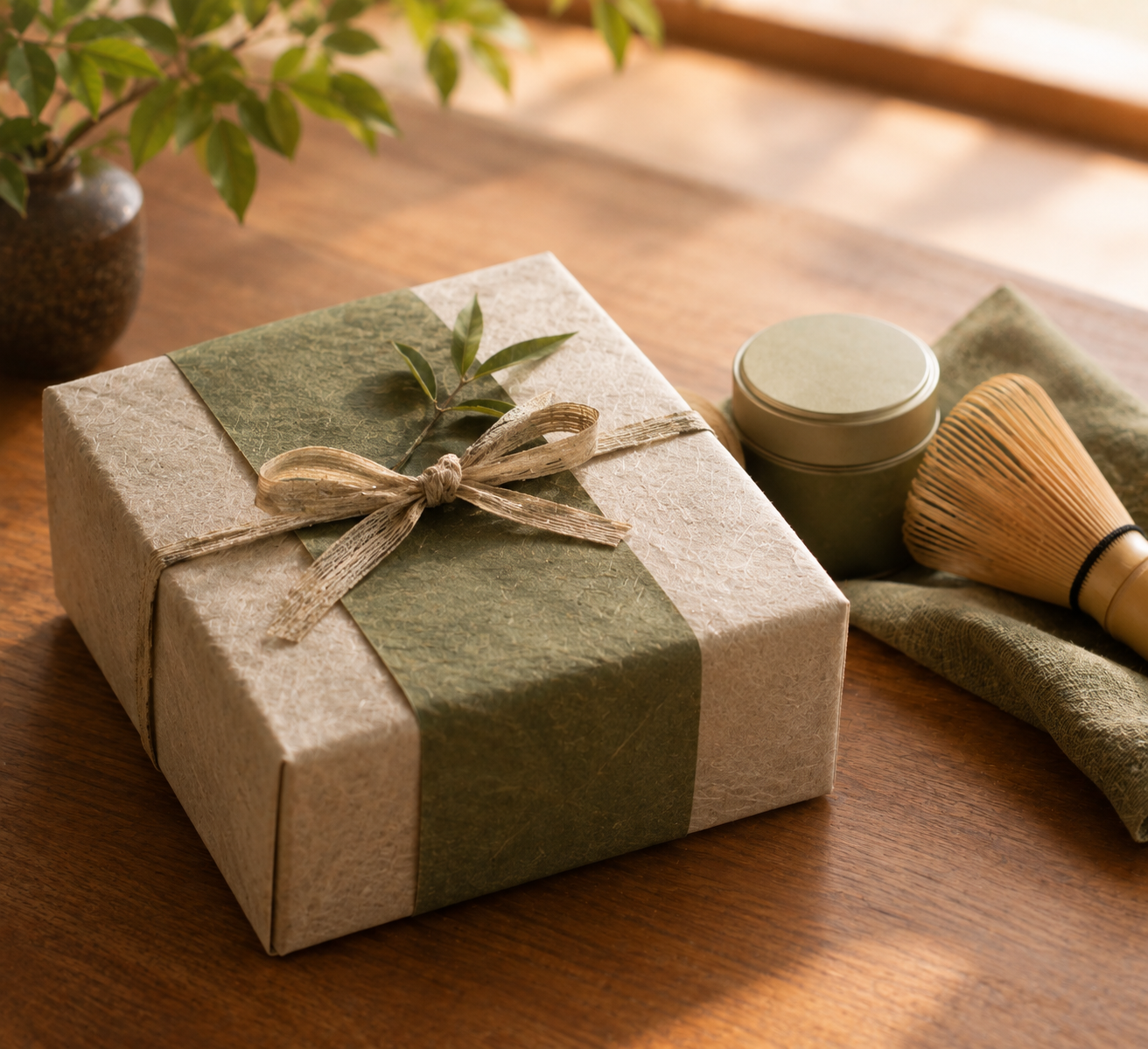
    For gift exchanges or lower-stakes relationships, a modest, nicely packaged sampler in the $15–25 range hits the right note without over-committing. Presentation matters disproportionately here — a small box that looks thoughtfully put together reads better than a larger, plainer bag of loose tea at a similar price.

    Why this works: It signals effort without requiring either of you to have a deep relationship or shared knowledge of tea to justify the gift.

    Where to Find These

    Shop Japanese tea sampler gift sets on Amazon →

    Shop matcha starter kits with whisk and bowl on Amazon →

    A Few Things People Ask Me

    Is matcha or regular green tea the safer default gift if I don’t know much about the recipient’s preferences? A multi-tea sampler that includes both is the safer bet than committing fully to either. If you have to choose one, a well-regarded sencha is generally a gentler, more universally approachable choice than matcha, which asks more of the recipient in terms of equipment and preparation.

    Should I buy tea online or try to find something locally? Online specialty tea retailers, especially ones focused specifically on Japanese tea, tend to offer better sourcing transparency and gift-specific packaging than what you’ll typically find in a general grocery store. If you want something with genuine provenance behind it, a dedicated tea shop is worth the extra step over a supermarket aisle.

    What if the recipient already has a favorite matcha brand? Lean toward a complementary gift rather than duplicating what they already buy — a nicer whisk, an upgraded bowl, or a different single-origin tea outside their usual rotation respects their existing preference while still giving them something new.

    Is it a faux pas to gift tea to someone who doesn’t already drink it? Not at all, as long as you frame it as an introduction rather than an assumption. A beginner-friendly sampler with clear instructions is a genuinely welcoming way to introduce someone to Japanese tea culture, and most people appreciate a low-pressure way to try something new.

    How far in advance should I order, especially for smaller or single-origin producers? Give yourself more lead time than you would for a mainstream retail gift, particularly around holiday seasons when smaller tea shops and specialty producers can sell through limited-batch items quickly. A week or two of buffer avoids the scramble of a sold-out single-origin tea the day before you need it.

    Does packaging and presentation actually matter, or is it just the tea inside that counts? For gifting specifically, presentation genuinely matters more than it would for a purchase you’d make for yourself. A well-designed box or thoughtful wrapping signals effort in a way that a plain bag of loose tea, even if the tea itself is excellent, doesn’t communicate as clearly on first impression.

    Where I Landed

    The lesson from my unopened matcha tin sitting in a cupboard for a year is really the whole thesis of this guide: match the gift to the person’s actual relationship with tea, not to what looks most impressive in a photo. A thoughtful $20 sampler for a beginner will get used and appreciated in a way that a $100 ceremonial tin, gifted to someone with no whisk and no particular interest in the ritual, never will.

    None of this means you need to overthink a simple gift into a research project. A quick honest assessment — beginner, casual matcha drinker, aspiring ritual-doer, or seasoned enthusiast — narrows the field fast, and from there the specific product matters far less than getting that basic category right in the first place.

    If you’re buying for someone who mentions liking matcha specifically, my matcha powder brands comparison and matcha whisk buying guide are both good next stops for narrowing down exactly what to include.