Tag: Nio Teas Review

  • Choosing a Nio Teas Gift Bundle: Matcha Sets, Sampler Bundles, and Advent Calendars

    Choosing a Nio Teas Gift Bundle: Matcha Sets, Sampler Bundles, and Advent Calendars

    Disclosure: This post contains affiliate links, including to Nio Teas. If you buy through one of them, I may earn a small commission at no extra cost to you.

    Nio Teas’ catalog has enough overlapping bundles, matcha sets, sampler-plus-whisk combos, subscription boxes with free teaware, seasonal advent calendars, that picking the right one for a specific gift occasion isn’t as obvious as it should be. This is a breakdown of what’s actually in each bundle type and which one fits which recipient, rather than defaulting to whichever one happens to be featured on the homepage.

    The Problem You’re Actually Trying to Solve

    You’ve searched for how to choose a Nio Teas gift bundle because you’re buying for someone specific, an occasion, a budget, a level of tea knowledge, and want to match the bundle to that person rather than picking the most expensive-looking option and hoping it lands well.

    Who This Article Is NOT For

    Let’s save you some scrolling if this isn’t quite your situation.

    • If you’re buying for yourself rather than gifting, a straightforward review of the catalog is more directly useful than a gift-focused breakdown.
    • If you want a broader Japanese tea gift framework, not specific to Nio Teas, my Japanese tea gift guide covers that wider decision.

    If you’re past that, here’s where the actual breakdown starts.

    The Matcha Set (Whisk, Bowl, Scoop)

    Shop Nio Teas’ matcha sets →

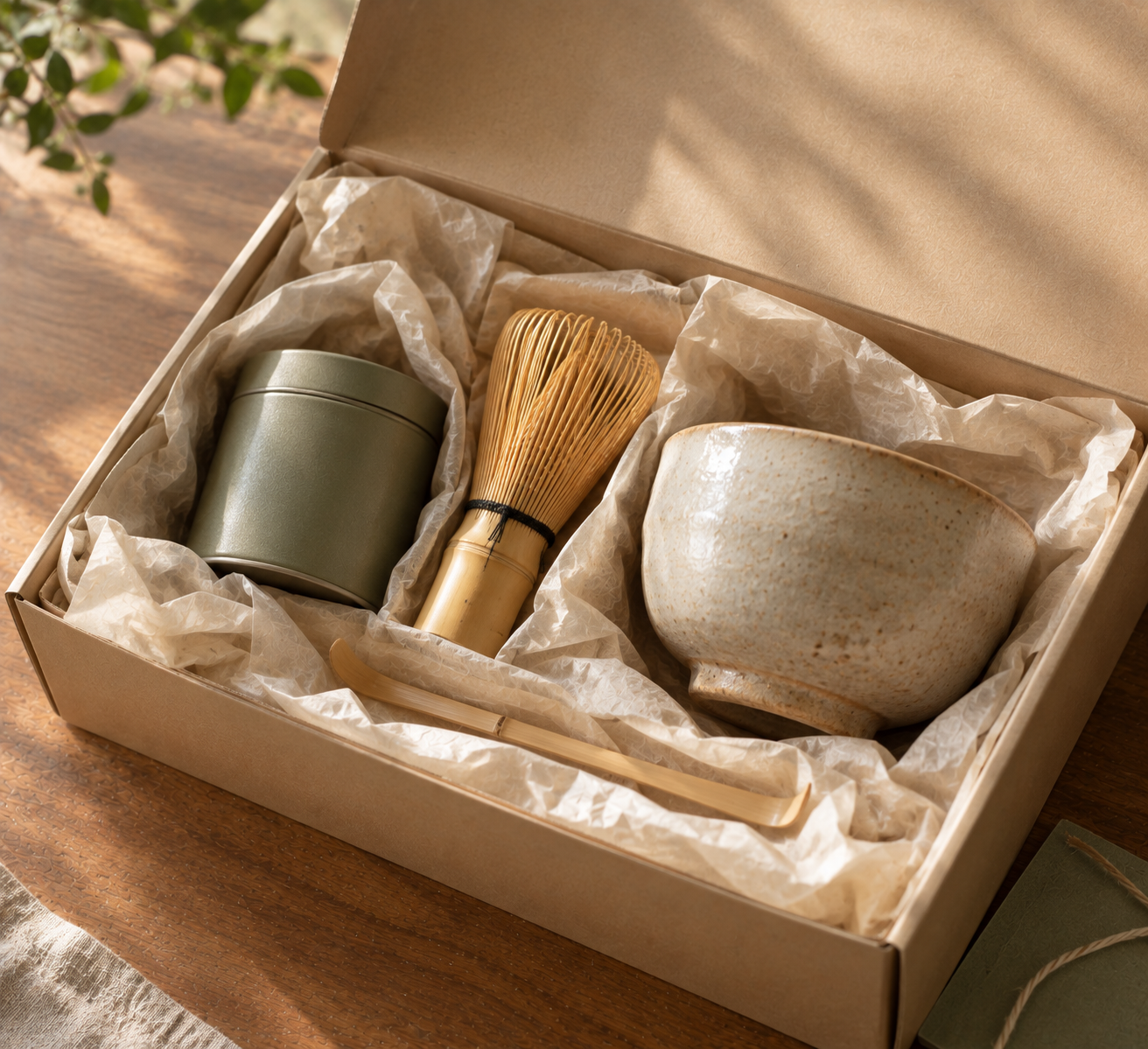
    These bundles pair ceremonial-grade matcha with the core preparation tools, the chasen (whisk), chawan (bowl), and chashaku (scoop), giving a recipient everything needed to start whisking matcha at home immediately, without needing to source pieces separately.

    Who it’s for: Someone curious about matcha who doesn’t yet own any preparation tools. This is the single best “starter” gift in the whole catalog, since the equipment barrier is often what stops someone from ever actually trying matcha at home in the first place.

    Sampler-Plus-Whisk Bundles

    Shop Nio Teas’ matcha sampler with whisk →

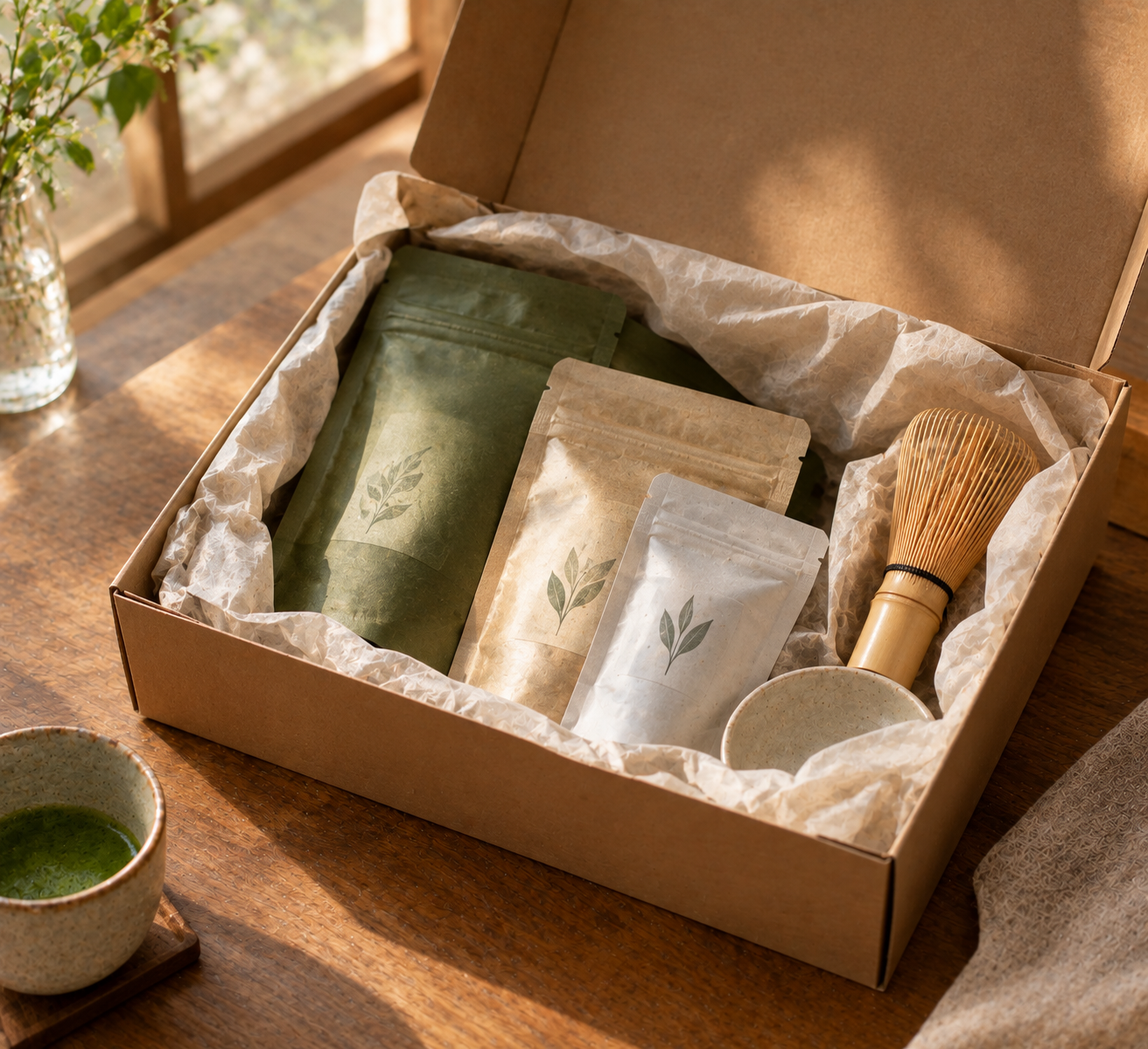
    Rather than a single tin, these bundles pair a multi-tea matcha sampler, an 18-pack in one common configuration, with a whisk included. This gives the recipient both the tool and enough variety to discover their own preference, rather than committing them to one specific matcha before they know what they like.

    Who it’s for: Someone slightly further along than a total beginner, or a gift where you want to combine “here’s everything you need” with “here’s a genuine tasting experience” rather than just a single flavor.

    Subscription-as-a-Gift: Monthly Matcha Club or Monthly Tea Club

    Shop the Monthly Matcha Club →

    Gifting a subscription is a genuinely different category from a one-time bundle, since it keeps giving, literally, over months rather than arriving once. The Matcha Club includes a free whisk and scoop in the first shipment; the Tea Club includes a free kyusu. Both are structured so the recipient can cancel once they’ve found their favorite, which removes the awkwardness of gifting an open-ended commitment they might not want to keep.

    Who it’s for: Someone you want to give an ongoing discovery experience to, rather than a single moment. This works particularly well for a recipient who enjoys the ritual of “something new each month” more than settling on one favorite quickly.

    Seasonal Advent Calendars

    Shop Nio Teas’ matcha and tea advent calendars →

    A genuinely novel gift format in this category: a matcha or loose leaf tea advent calendar, delivering a small daily tea discovery through the countdown to a holiday. This is squarely a seasonal, occasion-specific gift rather than a year-round option.

    Who it’s for: Gifting during the holiday season specifically, especially for someone who already enjoys the ritual and small-daily-discovery format, or as a genuinely different alternative to a chocolate advent calendar for a tea-loving recipient.

    Comparison at a Glance

    Bundle TypeBest ForCommitment Level
    Matcha Set (whisk + bowl + scoop)Complete matcha beginnersOne-time gift
    Sampler + WhiskBeginners who want varietyOne-time gift
    Monthly Matcha/Tea ClubOngoing discovery, open-ended interestRecurring (cancel anytime)
    Advent CalendarHoliday-specific giftingSeasonal, one-time

    A Few Things People Ask Me

    Is a subscription a “safe” gift, or does it feel like too much of a commitment to give someone? Since both subscription options are explicitly cancel-anytime once a favorite is found, it’s a genuinely lower-commitment gift than it might initially sound, closer to a trial than an obligation. Framing it that way when you give it helps set the right expectation.

    Should I buy the most expensive bundle to make the best impression? Not necessarily — matching the bundle to the recipient’s actual current knowledge and interest level matters more than price. A complete matcha beginner is often better served by the simpler matcha set than an elaborate, harder-to-navigate sampler bundle.

    Can I combine a bundle with individual products for a bigger gift? Yes, nothing stops you from pairing a matcha set with an individual gyokuro or a teaware piece for a more personalized, larger gift, rather than relying on a single pre-built bundle alone.

    Are the advent calendars only available during a specific window, or can I get one anytime? These are seasonal releases tied to the holiday countdown format, so availability is generally limited to the lead-up period before the relevant holiday, worth checking current availability before planning around one specifically.

    Where I Landed

    The matcha set is genuinely the safest, most broadly appropriate starting point if you’re not sure which bundle fits, since it solves the single biggest barrier, no tools, no way to prepare it, that stops a curious gift recipient from actually using what they’ve been given. Everything else in the lineup, the sampler bundles, the subscriptions, the advent calendars, are better thought of as upgrades once you know a bit more about how the specific person you’re buying for actually likes to engage with something new.

    If you’re deciding on the tea itself rather than the bundle format, checking what’s actually included in the sampler-based options first helps you understand exactly what a recipient will receive.
  • What’s Actually in a Nio Teas Sampler

    What’s Actually in a Nio Teas Sampler

    Disclosure: This post contains affiliate links, including to Nio Teas. If you buy through one of them, I may earn a small commission at no extra cost to you.

    “Sampler” can mean almost anything depending on the seller, a handful of random leftover teas, or a genuinely curated tasting journey. Nio Teas’ samplers lean firmly toward the latter, and knowing exactly what arrives, how much of it, and what you’ll actually need to prepare it makes the difference between a confident first order and an underwhelming surprise.

    The Problem You’re Actually Trying to Solve

    You’ve searched for what’s actually in a Nio Teas sampler because you’re deciding whether to order one and want specifics, portion sizes, tea counts, what equipment you’ll need, rather than vague marketing language about “trying new teas.”

    Who This Article Is NOT For

    Let’s save you some scrolling if this isn’t quite your situation.

    • If you already know which specific tea you want, a sampler isn’t built for you — go straight to that product instead.
    • If you want a broader review of Nio Teas as a brand, my Nio Teas review covers the wider catalog beyond just the samplers.

    If you’re past that, here’s where the actual breakdown starts.

    The Loose Leaf Green Tea Sampler

    Shop Nio Teas’ loose leaf sampler →

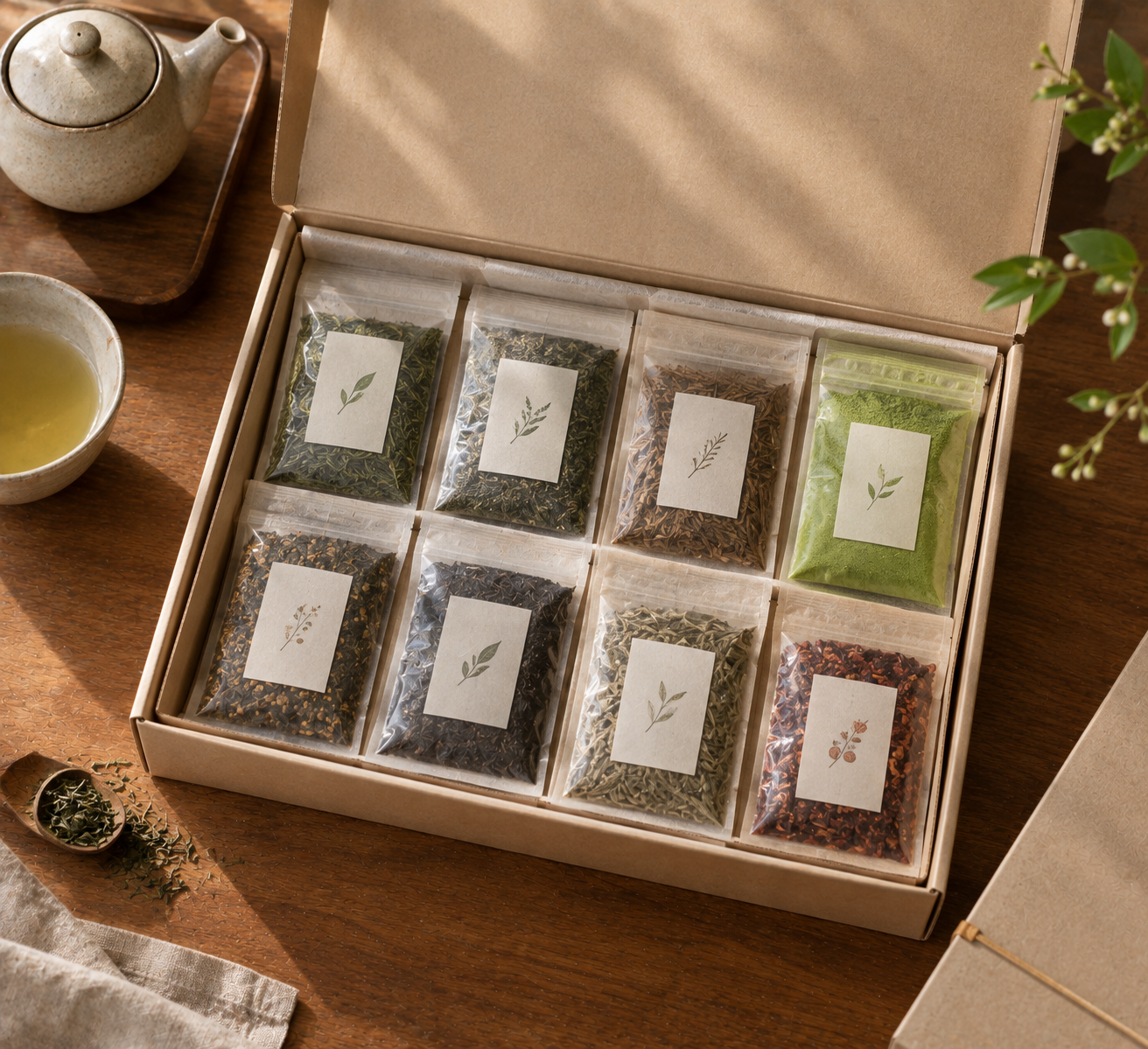
    Each sample pack in this sampler contains 5 grams of loose leaf tea, enough for one full tasting session, meaning 3 to 4 cups from a kyusu, since loose leaf can be re-infused multiple times as its flavor evolves with each steep. The sampler draws from across Nio Teas’ broader sencha, gyokuro, and other green tea categories, giving you exposure to different styles rather than a single tea type repeated in different packaging.

    What you’ll need to prepare it: A kyusu, the clay teapot with a built-in filter that gives the leaves room to open up and release flavor properly. If you don’t already own one, this is worth factoring into your first order, since the sampler tea itself won’t perform the same way steeped in a plain mug with a basic infuser.

    The Matcha Sampler

    Shop Nio Teas’ matcha sampler →

    This is where Nio Teas’ sourcing story really shows up in the numbers. The matcha sampler comes in multiple sizes, a 7-pack and a larger 21-pack among them, each individual packet containing 2 grams, enough for one full bowl or two smaller cups. The full 21-pack lets you work through a genuinely wide range: named matcha varieties like Chanoka Silver (bold, savory, thick umami), Chanoka Okumidori (smoother, less bitter), Nakai Superior (smooth, thick texture), Matcha Seisui (grassier, latte-suited), Matcha Washimine (creamy, suited to koicha), and several more, spanning different cultivars and regions across Japan.

    What you’ll need to prepare it: A chawan (matcha bowl) and chasen (bamboo whisk) at minimum. A chashaku helps with consistent measuring but isn’t strictly required if you’re comfortable eyeballing roughly 2 grams per packet.

    Why the range matters: Matcha genuinely varies by cultivar and region the way wine varies by grape and vineyard, and a sampler this size is really the only practical way to taste that range without buying a dozen full-size tins individually.

    How Much Tea You’re Actually Getting

    SamplerPacket SizeWhat It MakesTypical Variety Count
    Loose leaf sampler5g per pack3–4 cups per pack (re-infused)Varies by selection
    Matcha sampler (7-pack)2g per pack7–14 bowls/cups total7 different matchas
    Matcha sampler (21-pack)2g per pack21–42 bowls/cups total21 different matchas

    Is a Sampler the Right First Order, or Should You Just Buy a Full Tin

    A sampler makes sense if: you’re genuinely undecided, want to taste a spread before committing, or you’re buying as a low-pressure gift for someone whose specific preferences you don’t yet know.

    A full-size tin makes more sense if: you already know you love a specific cultivar or style, since a sampler’s per-gram cost is generally higher than a full-size tin, and you’d rather have a larger, reusable quantity of something you’re confident you’ll enjoy repeatedly.

    A Few Things People Ask Me

    Is the tea in a sampler the same quality as Nio Teas’ full-size products, or a lesser version specifically for samplers? Based on how the sampler is described, it draws directly from the same catalog and sourcing as full-size purchases, not a separate lower tier — the smaller packet size is purely about portion, not a quality downgrade.

    Can I reorder a specific tea I liked from the sampler afterward? Yes, sampler packets are generally drawn from teas also sold individually in full size, so once you’ve identified a favorite, you can look it up and order a larger quantity directly.

    Do I need different equipment for the loose leaf sampler versus the matcha sampler? Yes, they’re genuinely different preparation methods — a kyusu for steeping the loose leaf packets, and a chawan plus chasen for whisking the matcha packets. If you’re ordering both samplers, budget for both sets of tools rather than assuming one setup covers everything.

    Is the matcha sampler worth it if I’m mostly interested in matcha for lattes rather than drinking it straight? Somewhat, though the sampler is built around exploring different cultivars and regions, a use case that shows off best when tasted straight rather than diluted into a latte. If lattes are your primary interest, a single reliable culinary-grade tin may serve you better than a sampler designed for tasting nuance.

    Where I Landed

    The sampler format genuinely earns its place here rather than feeling like a marketing gimmick, mostly because Nio Teas backs it with real specificity: named cultivars, clear portion sizes, and teas drawn from the same catalog as their full-size products. If you’re genuinely unsure what you like yet, that’s worth more than guessing at a single full tin and hoping it’s the right one.

    Once you’ve worked through a sampler and found your favorites, reordering full-size is the natural next step, and there’s plenty more to explore in the rest of the catalog beyond what the sampler introduced you to.

  • Nio Teas Subscription Review: Matcha Club vs. Tea Club

    Nio Teas Subscription Review: Matcha Club vs. Tea Club

    Disclosure: This post contains affiliate links, including to Nio Teas. If you buy through one of them, I may earn a small commission at no extra cost to you.

    Nio Teas runs two separate subscriptions rather than one general “tea box,” and picking the wrong one for your actual habits is the easiest way to end up disappointed with an otherwise solid service. One is built around matcha specifically, the other around loose leaf, and they come with genuinely different included teaware, discount structures, and free starter gifts. This is a breakdown of both, so you’re not guessing which one actually fits how you drink tea, rather than defaulting to whichever one happens to be featured first on their homepage.

    The Problem You’re Actually Trying to Solve

    You’ve searched for a Nio Teas subscription review because you’re deciding whether to commit to a recurring tea delivery and want to know what you’re actually getting each month, not just the marketing headline of “free teaware” that shows up on the product page.

    Who This Article Is NOT For

    Let’s save you some scrolling if this isn’t quite your situation.

    • If you just want a one-time purchase rather than a recurring subscription, Nio Teas’ individual product listings work the same way as any standard order, without needing to commit to a subscription at all.
    • If you already know you strongly prefer one tea type and don’t want variety, a subscription’s whole value proposition is discovery — a single repeat order of your known favorite may serve you better than either club.

    If you’re past that, here’s where the actual review starts.

    The Two Subscriptions, Side by Side

    Monthly Matcha ClubMonthly Tea Club
    What arrives monthly2 packs of matcha (rotating selection)Curated loose leaf tea shipments
    First-month free giftBamboo whisk (chasen) and bamboo scoop (chashaku)Kyusu teapot
    Ongoing discount20% off matcha deliveries16% off tea shipments
    Best forMatcha-focused drinkers wanting varietyLoose leaf drinkers wanting variety
    FlexibilityCancel anytime once you’ve found a favoriteCancel anytime once you’ve found a favorite

    Monthly Matcha Club

    Shop the Monthly Matcha Club →

    Each month, this delivers two packs of matcha drawn from Nio Teas’ rotating selection, letting you sample different grades and sourcing without committing to a single full-size tin upfront. The first shipment includes a free bamboo whisk and scoop, which genuinely matters if you don’t already own proper matcha tools, since it removes a common first-purchase barrier covered in more depth in my matcha whisk buying guide.

    Why it works well: The included teaware solves the “I bought matcha but have nothing to prepare it with” problem a lot of first-time buyers run into, and the rotating selection means you’re not stuck reordering the same tin indefinitely without ever finding out if you’d prefer something else.

    The tradeoff: Because it’s matcha-only, this isn’t the right subscription if your actual interest is broader Japanese tea, sencha, gyokuro, hojicha, and the like.

    Monthly Tea Club

    Shop the Monthly Tea Club →

    This is the loose leaf counterpart, delivering curated tea shipments monthly with a free kyusu teapot included in the first delivery. It’s built around the same discovery model as the matcha club, letting the length of your subscription determine how deep into Nio Teas’ 50-plus tea catalog you actually get exposed to.

    Why it works well: A free kyusu solves the same first-purchase equipment problem the matcha club solves with a whisk, and it’s a genuinely useful inclusion if you’ve been drinking bagged tea and want to move into proper loose leaf without a separate teapot purchase upfront.

    The tradeoff: If you already own a kyusu you like, the free teapot loses some of its appeal relative to the discount and tea selection itself, which is really the core value once the novelty of the free gift wears off.

    What Actual Customers Say

    Review patterns across independent platforms are largely positive, with customers consistently praising tea and matcha freshness and responsive customer support. The most commonly repeated complaint isn’t about product quality but about occasional shipping delays or, less frequently, packaging issues on arrival, worth factoring in if you’re on a tight timeline for a gift or specific occasion rather than an ongoing personal subscription.

    Which One Should You Actually Sign Up For

    If matcha is your main interest and you don’t yet own a whisk: the Matcha Club, purely for the included teaware solving a real first-purchase problem.

    If you drink a broader range of Japanese tea, or want to explore beyond matcha specifically: the Tea Club, especially if you don’t already own a kyusu.

    If you already own both a whisk and a kyusu: the free teaware matters less, and the decision comes down to which product category, matcha or loose leaf, you’re more interested in exploring monthly.

    If you’re not sure you’ll stick with either long-term: both are described as cancel-anytime once you’ve found a favorite, which makes either a reasonably low-risk way to sample the catalog before committing to full-size tins on your own.

    A Few Things People Ask Me

    Can I switch between the two subscriptions later, or am I locked into my initial choice? Subscriptions are generally structured to let you cancel and start a different one rather than being permanently locked to your first choice, though it’s worth confirming current policy specifics before committing if switching flexibility matters to you.

    Is the free teaware actually good quality, or just a low-cost incentive? Based on available customer feedback, the included teaware is generally regarded as functional and appropriate for a beginner setup, not a token throwaway item, though it’s reasonable to expect it’s positioned as a starter-level tool rather than the premium end of what’s covered in my broader teaware buying guides.

    How long should I stay subscribed before deciding if it’s worth it? A few months is generally enough to sample a meaningful cross-section of either rotating selection and get a real sense of your own preferences, after which canceling and reordering your specific favorites directly becomes a reasonable next step if you don’t want to continue the discovery format indefinitely.

    Do the subscriptions ship internationally, or are they limited to certain regions? Nio Teas ships broadly across multiple regions, with pricing shown in local currency depending on your storefront, though exact shipping costs and delivery timelines vary by destination, so it’s worth checking current rates for your specific location before subscribing.

    Is there a risk of receiving duplicate teas if I stay subscribed for a long time? With a catalog of 50-plus teas and only two packs arriving per month for the matcha club, it would take a considerable stretch of consistent subscribing before genuine repeats become likely, though the exact rotation logic isn’t something Nio Teas publishes in detail.

    Where I Landed

    The deciding factor here isn’t really about which subscription is “better” in the abstract, it’s about which free starter gift you actually need. If you’re missing a whisk, the Matcha Club effectively pays for itself on the first box. If you’re missing a kyusu, the same logic applies to the Tea Club. Already have both tools? Then it’s simply a question of which category you want a rotating monthly excuse to keep exploring.

    Either way, both function as a genuinely lower-risk way to sample Nio Teas’ broader catalog before committing to full-size purchases on your own, which is exactly the kind of first step I’d recommend before diving into the deep end of a 50-plus tea catalog blind. The free teaware is a nice bonus, but the real value is letting the subscription do the exploring for you until you’ve narrowed down what you actually want to keep buying long-term.

  • Nio Teas Review: What’s Actually Worth Buying From Their Catalog

    Nio Teas Review: What’s Actually Worth Buying From Their Catalog

    Disclosure: This post contains affiliate links, including to Nio Teas. If you buy through one of them, I may earn a small commission at no extra cost to you.

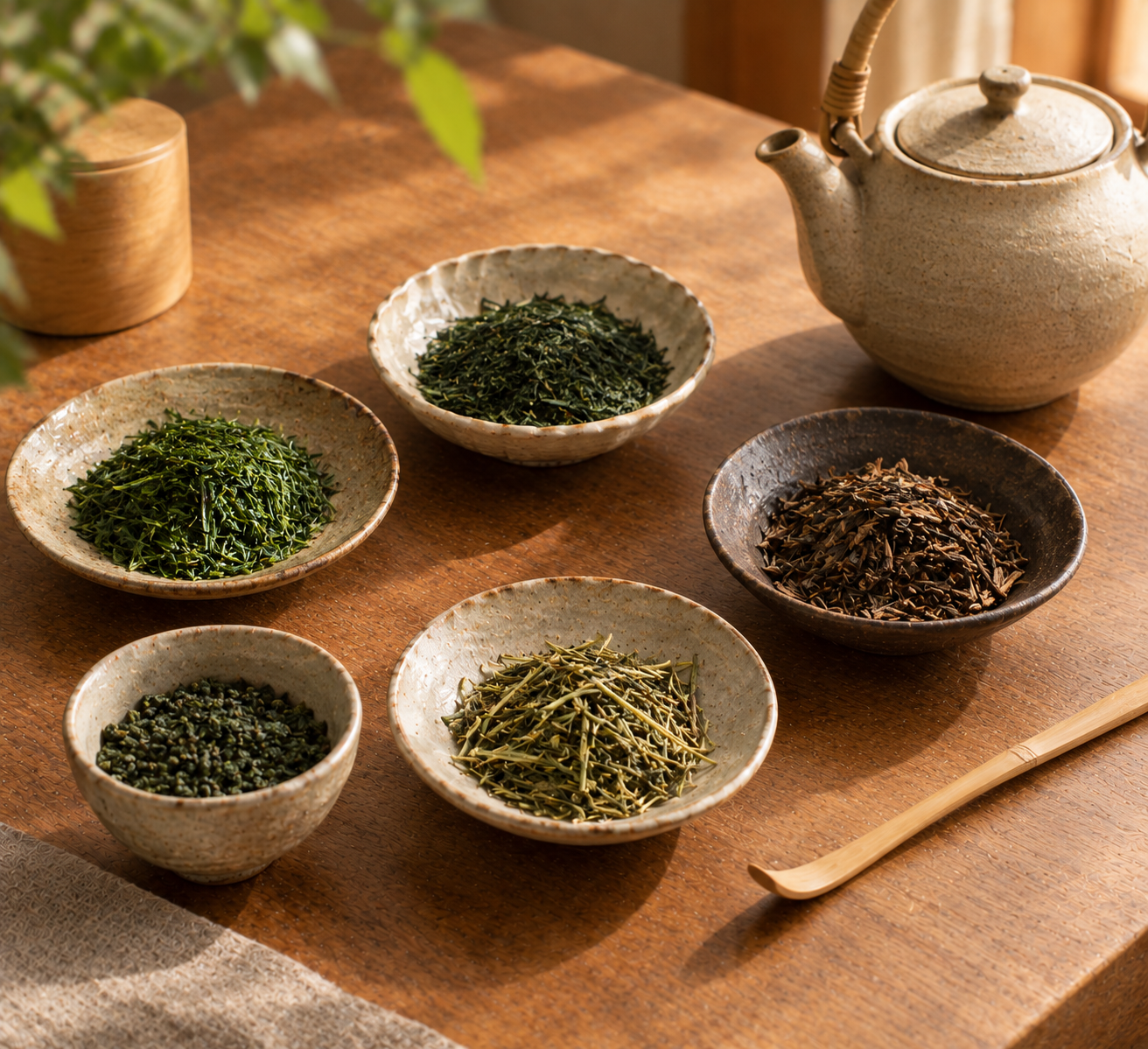
    Most of the brands I’ve covered on this site specialize narrowly, one region, one product type, one specific grade. Nio Teas takes the opposite approach: over 50 different Japanese teas, direct relationships with individual farms, and a catalog that ranges from everyday sencha to genuinely rare styles most people outside Japan have never heard of, like awabancha or goishicha. That range is either exactly what you’re looking for or more than you need, depending on where you are in your own tea journey, and this review is about sorting out which, rather than just listing everything they sell.

    The Problem You’re Actually Trying to Solve

    You’ve searched for a Nio Teas review because the catalog is large enough to feel overwhelming, and you want to know what’s actually worth your first order rather than scrolling through fifty tea listings trying to guess. That’s a fair thing to want clarity on, especially from a brand whose entire pitch is breadth rather than a narrow, curated lineup.

    Who This Article Is NOT For

    Let’s save you some scrolling if this isn’t quite your situation.

    • If you already know exactly which specific tea you want, this general overview won’t add much — go straight to that product category.
    • If you want the deepest possible dive into one narrow category, like just ceremonial matcha grading, my matcha powder brands comparison covers that specific ground in more depth across multiple brands, Nio Teas included.

    If you’re past that, here’s where the actual review starts.

    What Actually Sets Nio Teas Apart

    Nio Teas’ core pitch is direct farmer sourcing: the company’s founders travel through Japan meeting individual tea farmers in person, and the brand specifically commits to sourcing from farms that grow without pesticides or chemicals. That’s a genuinely meaningful sourcing story, not just marketing language, since it means the catalog reflects actual relationships with specific growers rather than anonymous wholesale purchasing where the actual farm behind a listing is anyone’s guess.

    The practical result is a catalog with real depth in categories most brands don’t bother stocking at all: multiple sencha sub-styles (shincha, fukamushi, bancha), several stem tea varieties (kukicha, karigane, kuki hojicha), and rare fermented and regional teas that are genuinely hard to find through Western retailers otherwise. For someone who’s already worked through the basics covered elsewhere on this site, this is genuinely one of the more interesting places to keep exploring.

    Where to Actually Start

    Samplers, If You’re New or Undecided

    Shop Nio Teas’ loose leaf samplers →

    Given how large the catalog is, a sampler is genuinely the smartest first purchase rather than committing to a single full-size tin blind. Nio Teas’ samplers pull from across their range, letting you actually taste your way toward a preference instead of guessing based on a product description alone.

    Ceremonial Matcha

    Shop Nio Teas’ ceremonial matcha →

    Nio Teas’ ceremonial matcha lineup benefits from the same pesticide-free, direct-farm sourcing as the rest of the catalog, and it’s a reasonable entry point if matcha specifically is your focus, alongside the brands covered in my broader matcha comparison.

    Gyokuro, If You Want to Go Deeper

    Shop Nio Teas’ gyokuro →

    Gyokuro is one of the harder teas to find well-sourced outside Japan, and it’s a category where Nio Teas’ direct-farm model genuinely pays off, since gyokuro quality depends heavily on shading technique and harvest timing that’s easier to verify through a direct farmer relationship than through anonymous wholesale sourcing.

    Teaware, Sold Right Alongside the Tea

    Shop Nio Teas’ kyusu teapots →

    Unlike brands that focus purely on the tea itself, Nio Teas also stocks a reasonable teaware catalog, kyusu, chawan, chasen, and shiboridashi, which makes it a genuinely convenient one-stop option if you’re building out a home setup rather than piecing tools together from several different retailers.

    Where the Catalog Size Becomes a Genuine Downside

    Fifty-plus teas is a strength for exploration and a real friction point if you just want a straightforward, confident first purchase. Unlike a narrower specialist brand where the top pick is obvious, Nio Teas asks you to do a bit more of your own navigating, or lean on a sampler specifically to shortcut that process, which is exactly why I’d point most first-time buyers there rather than toward any single full-size product.

    A Few Things People Ask Me

    Is “pesticide-free” the same as certified organic? Not necessarily in a formal certification sense — it depends on the specific farm and whether they’ve pursued official organic certification versus simply farming without chemical inputs by practice. If formal certification matters specifically to your purchase, it’s worth checking the individual product listing rather than assuming the broader sourcing philosophy guarantees a specific certification.

    Does the direct-farmer sourcing actually show up in the cup, or is it mostly a nice story? Sourcing quality generally does show up in freshness and consistency, since a direct relationship with a specific farm allows for tighter quality control than buying from a wholesale blend of unnamed sources. That said, personal taste still varies tea to tea, and no sourcing story substitutes for actually trying a specific product yourself.

    Is Nio Teas a good fit if I only want one specific tea type, like just hojicha? Yes, the catalog is structured so you can shop a single category without needing to engage with the full breadth of what’s available, which makes it just as usable for a narrow, specific purchase as for broad exploration.

    How does Nio Teas compare to a narrower specialist brand for someone who already knows they love, say, sencha specifically? A narrower specialist may offer deeper expertise within that one category, but Nio Teas’ sencha lineup itself has real sub-variety (shincha, fukamushi, bancha) that a lot of specialist brands don’t bother stocking, so it holds up reasonably well even for a narrowly focused buyer.

    Is shipping and pricing competitive with other Japan-sourced tea brands? Pricing generally sits in a comparable mid-range for direct-sourced Japanese tea, though exact costs vary by product category and shipping destination, so it’s worth checking current rates for your specific location rather than assuming a fixed number.

    Where I Landed

    Nio Teas earns its place on this site specifically because the breadth is backed by a genuine sourcing story, not just a large catalog for its own sake. If you’re new to Japanese tea broadly, start with a sampler rather than guessing at a single product. If you already know your lane, whether that’s matcha, gyokuro, or a specific stem tea, the catalog has real depth to reward that focus too.

    Either way, this is a brand where the size of the catalog is a genuine advantage once you know how to navigate it, rather than a reason to feel overwhelmed and default to a smaller, narrower brand out of convenience alone. The direct-farm sourcing story is also worth remembering the next time you’re deciding whether a brand’s ethical claims are worth paying attention to versus just marketing noise — in this case, it’s a genuine, verifiable part of how the business actually operates.