Tag: Japanese Tea Gifts

  • Japanese Tea Souvenirs: What to Buy in Japan, Where to Find It, and How to Bring It Home

    Japanese Tea Souvenirs: What to Buy in Japan, Where to Find It, and How to Bring It Home

    Disclosure: This post contains affiliate links. If you buy through one of them, I may earn a small commission at no extra cost to you. Customs and tax-free rules change – always check the official rules for your own country before you travel.

    Tea is one of the best souvenirs you can bring back from Japan. It’s light, it packs flat, it’s far fresher and cheaper than what you’ll find at home, and it’s a gift almost anyone can enjoy. But walk into a Japanese department store food hall or a tea shop in Kyoto and the choice can be overwhelming: dozens of senchas, matcha in every grade, tins, tea bags, tea sweets, teapots and whisks.

    This guide covers what’s actually worth buying, where to buy it, how to keep it fresh, and how to get it through customs without trouble.

    The Problem You’re Actually Trying to Solve

    You want to bring tea home – for yourself or as gifts – without wasting money on tourist packaging, buying something that will be stale by the time you open it, or getting stuck at customs. You also probably don’t read Japanese labels, and you have limited suitcase space.

    Who This Article Is NOT For

    • If you want to know which historic shops to visit in Kyoto, my guide to the oldest tea shops in Uji and Kyoto covers that in detail – several of them also ship internationally.
    • If you’re not traveling and just want good Japanese tea at home, skip to the end; you don’t need a plane ticket.
    • If you’re shopping for a professional tea business, import rules for commercial quantities are very different from personal souvenirs.

    The Best Tea Souvenirs, Ranked by Usefulness

    1. Sencha

    Sencha is the everyday green tea of Japan, and the easiest souvenir to love. A 100g bag of good sencha in Japan often costs less than a mediocre one abroad, and it’s light and compact. Look for first harvest (一番茶, ichibancha) on the label for the best flavor, and choose a region to match the taste you like: Shizuoka for fresh and balanced, Kagoshima for rich and smooth.

    Good for: yourself, tea-drinking friends, anyone with a teapot.

    2. Hojicha

    Roasted green tea is one of the most universally liked Japanese teas: toasty, sweet, low in bitterness and easy to brew. Hojicha tea bags are an especially good gift for people who don’t own a teapot. In Kanazawa, look for the local roasted stem tea, Kaga bocha.

    Good for: coworkers, family, people new to Japanese tea.

    3. Genmaicha

    Green tea mixed with roasted rice is nutty, comforting and very forgiving to brew. It’s often sold in convenient tea bags, which makes it a good gift for offices.

    4. Matcha

    Matcha is the souvenir most visitors think of first, and buying it in Japan is a real advantage: prices are lower and the choice is enormous. But it’s also the most fragile tea – it loses its color and aroma quickly once opened. Buy small tins (20-40g) rather than large bags, and only buy as much as you’ll use within a month or two of opening.

    Tip: Japanese labels often show the intended use. 薄茶 (usucha, thin tea) grades are what most people want for drinking; “for cooking” or “for lattes” grades are better for baking and milk drinks.

    5. Gyokuro

    If you want to bring home something you really can’t find easily abroad, gyokuro – shade-grown, sweet and rich in umami – is a special treat. It’s expensive, so a small 50g bag goes a long way.

    6. Tea-Flavored Sweets

    Matcha KitKats, matcha cookies, hojicha chocolate and matcha baumkuchen are fun, easy gifts. They’re also one of the few tea souvenirs that don’t require any brewing – perfect for children or people who don’t drink tea.

    Tea Tools Worth Carrying Home

    Tea tools are where Japan really shines, because many are handmade and much cheaper than abroad.

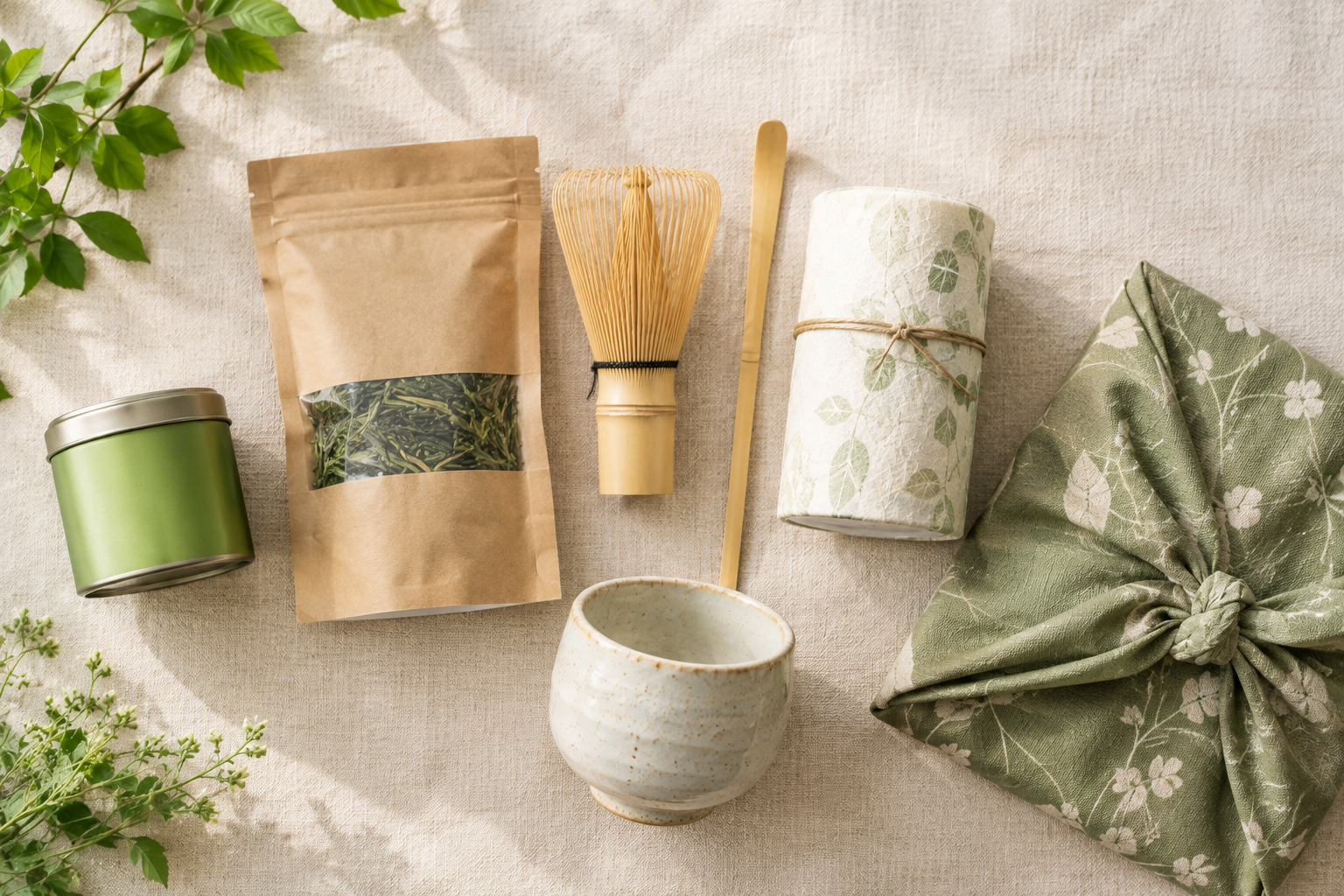
    • Chasen (bamboo whisk): essential for matcha, light and inexpensive. Keep it in its plastic holder to protect the tines in your luggage.
    • Chashaku (bamboo scoop): tiny and very easy to pack.
    • Chazutsu (tea canister): a washi-wrapped or metal tea tin is both beautiful and practical, and keeps tea fresh at home.
    • Yunomi (teacup): small, light and widely available in local pottery styles.
    • Kyusu (teapot): Tokoname and Banko teapots are wonderful souvenirs, but they’re fragile. Wrap them in clothes and pack them in the middle of your suitcase, or carry them on.
    • Chawan (matcha bowl): beautiful but heavy and breakable. Many pottery shops can pack them carefully or ship them.

    Where to Buy

    Specialty tea shops. The best quality and the most knowledgeable staff. Many will let you taste before you buy, and staff in tourist areas often speak some English. Kyoto and Uji have the most famous shops, but every tea region has its own.

    Department store food halls (depachika). The basement food floors of department stores in big cities have counters from well-known tea companies, often with beautifully packaged gift sets. Great for buying several gifts in one place.

    Tea regions themselves. If you visit Uji, Shizuoka or Kagoshima, farm shops and local stores sell fresh tea directly – often the best value of all.

    Supermarkets. For everyday sencha, hojicha and genmaicha tea bags, a regular supermarket is surprisingly good and very cheap. It’s also where you’ll find the tea that Japanese families actually drink.

    Airports. Convenient for last-minute gifts, but the selection is smaller and prices are higher. Think of it as a backup, not a plan.

    How to Read a Japanese Tea Label (the Basics)

    You don’t need to read Japanese to shop well – just look for a few characters:

    JapaneseMeaning
    煎茶Sencha
    玉露Gyokuro
    抹茶Matcha
    ほうじ茶Hojicha
    玄米茶Genmaicha
    一番茶 / 新茶First harvest / new tea of the year
    製造年月日 or 賞味期限Production date / best-before date
    内容量Net weight

    Always check the best-before date, and choose the freshest package you can find.

    Keeping Your Tea Fresh on the Way Home

    Tea is sensitive to air, light, heat and moisture, so a little care helps:

    • Buy sealed packages. Vacuum-sealed or nitrogen-flushed bags last much longer than tea scooped into a bag at the counter.
    • Don’t open it until you’re home. Once opened, sencha and matcha start to fade.
    • Keep it away from heat. Don’t leave tea in a hot car or a sunny window during your trip.
    • Store it properly at home. Keep opened tea in an airtight canister in a cool, dark place, and drink it within a few weeks. Unopened packages can go in the fridge, but let them come to room temperature before opening to avoid condensation.

    Customs: Can You Bring Tea Home?

    For most countries, ordinary dried tea for personal use is allowed, but rules vary – and food items generally have to be declared.

    United States. According to the USDA, travelers can bring true tea (green, black, oolong and other teas from the tea plant) in any quantity, but it must be declared at entry. Herbal teas are generally allowed if commercially packaged and ready to steep, with some exceptions. If you declare everything, you won’t be penalized even if an inspector refuses an item. Keeping tea in its original packaging with receipts makes inspection easier.

    Other countries. Australia and New Zealand have particularly strict biosecurity rules and require you to declare food and plant products. Many other countries are more relaxed for personal amounts. Check your own country’s customs website before you buy large quantities.

    A few practical tips:

    • Keep tea in its original, labeled packaging.
    • Be careful with tea blends that contain flowers, fruit peel or seeds (for example, some cherry blossom or citrus teas), which can be restricted in some countries.
    • Matcha in carry-on luggage: some airports screen large amounts of powder separately. Packing big quantities of matcha in checked luggage avoids the hassle.

    Tax-Free Shopping in Japan

    Visitors to Japan can buy many goods, including tea, tax-free, as long as they spend at least 5,000 yen (before tax) at the same store on the same day.

    The system is changing. From November 1, 2026, shops will charge the full price including tax, and you’ll claim the refund when you leave Japan after completing a departure procedure at the airport. The old special sealed-bag rules for food and other consumables are being dropped, but you still can’t use up tax-free goods before you leave, and every item on a tax-free receipt needs to be with you at departure. Check the latest rules before your trip, and keep your receipts together.

    Easy Gift Ideas by Budget

    • Small gifts for coworkers: hojicha or genmaicha tea bags, matcha sweets
    • For a tea-loving friend: a 100g bag of first-harvest sencha and a yunomi
    • For a matcha fan: a small tin of usucha-grade matcha and a chasen
    • For someone special: gyokuro or a handmade kyusu
    • For yourself: a chazutsu tea canister – it’ll keep every future bag of tea fresh

    A Few Things People Ask Me

    How much tea should I buy? Only as much as you’ll drink within a few months. Unopened sencha keeps reasonably well, but matcha is best within a month or two of opening.

    Is tea cheaper in Japan? Usually, yes – especially sencha and everyday teas, which can cost a fraction of the price abroad.

    Are tea bags or loose leaf better as gifts? Tea bags for people who don’t own a teapot; loose leaf for tea lovers.

    What if I didn’t buy enough? You don’t have to go back. Nio Teas’ sencha collection ships teas from small Japanese farms internationally, and my sencha brand comparison covers other good places to order. To keep your souvenirs fresh at home, a washi tea canister on Amazon does the job beautifully.

    Where I Landed

    The best tea souvenirs aren’t the fanciest boxes at the airport – they’re a fresh bag of first-harvest sencha from a tea shop, a small tin of matcha you’ll actually finish, and maybe one handmade tool you’ll use for years. Buy sealed, declare it at customs, and you’ll be drinking the taste of your trip long after you get home.
  • The Japanese Tea Gift Guide That Actually Matches the Person You’re Buying For

    The Japanese Tea Gift Guide That Actually Matches the Person You’re Buying For

    Disclosure: This post contains affiliate links. If you buy through one of them, I may earn a small commission at no extra cost to you.

    I once gave a friend a beautiful, expensive tin of ceremonial-grade matcha, the kind I’d have been thrilled to receive myself, and it sat unopened in her cupboard for over a year because she had no whisk, no idea how to prepare it, and honestly no particular interest in going through the ritual just to drink tea. She would have been far happier with a simple sampler box and a mug. The tea itself wasn’t the problem. Matching the gift to the person was.

    That’s really the whole trick to giving Japanese tea as a gift: the “best” option depends entirely on where the recipient is starting from, not on how impressive or expensive the item looks in photos. A stunning gift wasted on the wrong person is still a wasted gift, no matter how much it cost or how carefully it was sourced. This guide sorts gift ideas by recipient type, so you can actually match the gift to the person instead of just picking whatever looks nicest online.

    The Problem You’re Actually Trying to Solve

    You’ve searched for a Japanese tea gift guide because you want to give something that feels thoughtful and authentic, not just a random tin picked off a shelf. Maybe you’re buying for someone who’s mentioned liking matcha lattes, or someone who’s never tried Japanese tea at all, or a genuine tea enthusiast who already has strong opinions and a cupboard full of equipment. Each of these calls for a different kind of gift, and getting it wrong usually means good intentions landing as a well-meaning but slightly missed gesture.

    Who This Article Is NOT For

    Let’s save you some scrolling if this isn’t quite your situation.

    • If you’re buying for yourself rather than gifting, my matcha powder brands comparison and Japanese green tea subscription box comparison are better starting points than a gift-framed guide.
    • If the recipient has a known allergy or dietary restriction, always double-check ingredient lists on any tea-adjacent gift, especially wagashi or snack-inclusive sets, rather than relying on general recommendations here.
    • If you want something under $15, most genuinely good Japanese tea gifts, especially anything including proper matcha or ceremonial tools, sit above that price point. A single well-sourced tea bag sampler is about the only realistic option at that budget.

    If you’re past that, here’s where the actual guide starts.

    What Actually Determines a Good Gift Here

    Three things decide whether a Japanese tea gift lands well or ends up forgotten in a cupboard, and matching these to your specific recipient is the whole game.

    1. Their current relationship to Japanese tea. A complete beginner needs something approachable and guided. Someone who already drinks matcha regularly wants either a genuine upgrade or something they wouldn’t have bought for themselves. Getting this wrong in either direction — overwhelming a beginner or underwhelming an enthusiast — is the single most common way these gifts miss the mark.

    2. Whether they’ll actually use the equipment involved. A gorgeous ceremonial matcha set is wasted on someone who has no interest in whisking their own tea. A simple tea bag sampler undersells someone who’s already invested in the ritual. Think honestly about their existing habits rather than the habits you’d love for them to adopt.

    3. Whether the gift teaches or just delivers. The best gift sets in this category include tasting notes or brewing instructions, which matters enormously for a beginner and matters much less for an enthusiast who already knows what they’re doing. A gift that requires research just to use properly is a gift with homework attached.

    Gift Ideas by Recipient

    RecipientBest Gift TypePrice Range
    Complete beginnerMulti-tea sampler with brewing instructions$20–40
    Matcha latte drinkerCulinary or premium-grade matcha, no ceremonial equipment needed$15–30
    Aspiring matcha ritual beginnerStarter kit: matcha, whisk, bowl, scoop$40–80
    Established tea enthusiastSingle-origin, high-grade tea they wouldn’t buy themselves$30–100+
    Coworker or casual acquaintanceSmall, well-packaged sampler box$15–25

    The Gifts, One by One

    For the Complete Beginner: A Multi-Tea Sampler

    A curated sampler that includes several distinct varieties, sencha, hojicha, genmaicha, and a modest matcha, gives someone genuinely new to Japanese tea a chance to figure out what they actually like without committing to one type upfront. Look specifically for sets that include tasting notes and brewing instructions for each tea, since the gap between a forgettable gift and a memorable one often comes down to whether the recipient actually knows how to prepare what’s inside.

    Why this works: It removes the guesswork and the intimidation factor entirely. Nobody feels lost opening a sampler with a card explaining what each tea is and how long to steep it.

    For the Matcha Latte Drinker: Skip the Ceremonial Grade

    If you know someone primarily drinks matcha as a latte, resist the instinct to buy them an expensive ceremonial-grade tin. Culinary or premium-grade matcha, built to hold up against milk and sweetener, is both more appropriate for how they’ll actually use it and more affordable than you might expect. My matcha powder brands comparison covers which brands offer good latte-specific grades if you want to go deeper on this choice.

    Why this works: You’re respecting how they actually drink tea, rather than gifting based on what sounds most impressive.

    For Someone Ready to Start the Ritual: A Complete Starter Kit

    For someone who’s expressed genuine curiosity about traditional matcha preparation but hasn’t taken the plunge, a complete starter kit, ceremonial-grade matcha paired with a chasen (bamboo whisk), chashaku (bamboo scoop), and a chawan (tea bowl), removes the single biggest barrier to entry: not knowing what equipment to buy or how to gather it all separately. Receiving everything as one coordinated set instead of piecing it together themselves is a genuinely appreciated shortcut.

    Why this works: These three tools are essential for proper matcha preparation, and gifting them together means the recipient can start immediately rather than researching and buying pieces one at a time.

    For the Established Enthusiast: Go Single-Origin and Specific

    Someone who already owns tea equipment and has a favorite everyday brand wants something they wouldn’t have bought for themselves, not a beginner’s starter kit they’ve long since outgrown. A single-origin, competition-grade sencha or gyokuro from a specific region, ideally one they haven’t tried, respects both their existing knowledge and their storage space, which by this point is probably already full of basics.

    Why this works: You’re treating them as the expert they are, offering discovery rather than duplication of what they already own.

    For a Coworker or Casual Acquaintance: Keep It Small and Well-Packaged

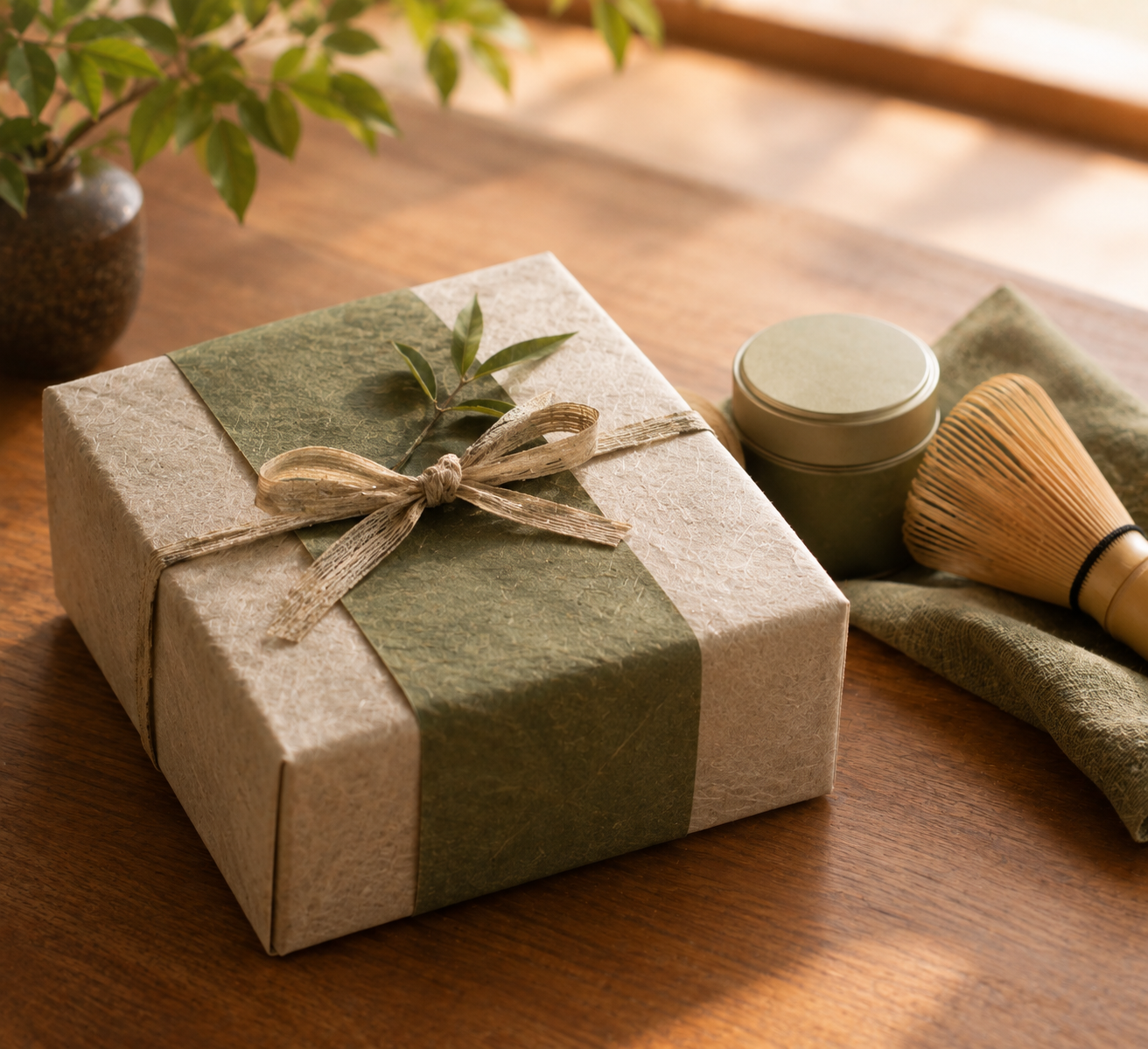
    For gift exchanges or lower-stakes relationships, a modest, nicely packaged sampler in the $15–25 range hits the right note without over-committing. Presentation matters disproportionately here — a small box that looks thoughtfully put together reads better than a larger, plainer bag of loose tea at a similar price.

    Why this works: It signals effort without requiring either of you to have a deep relationship or shared knowledge of tea to justify the gift.

    Where to Find These

    Shop Japanese tea sampler gift sets on Amazon →

    Shop matcha starter kits with whisk and bowl on Amazon →

    A Few Things People Ask Me

    Is matcha or regular green tea the safer default gift if I don’t know much about the recipient’s preferences? A multi-tea sampler that includes both is the safer bet than committing fully to either. If you have to choose one, a well-regarded sencha is generally a gentler, more universally approachable choice than matcha, which asks more of the recipient in terms of equipment and preparation.

    Should I buy tea online or try to find something locally? Online specialty tea retailers, especially ones focused specifically on Japanese tea, tend to offer better sourcing transparency and gift-specific packaging than what you’ll typically find in a general grocery store. If you want something with genuine provenance behind it, a dedicated tea shop is worth the extra step over a supermarket aisle.

    What if the recipient already has a favorite matcha brand? Lean toward a complementary gift rather than duplicating what they already buy — a nicer whisk, an upgraded bowl, or a different single-origin tea outside their usual rotation respects their existing preference while still giving them something new.

    Is it a faux pas to gift tea to someone who doesn’t already drink it? Not at all, as long as you frame it as an introduction rather than an assumption. A beginner-friendly sampler with clear instructions is a genuinely welcoming way to introduce someone to Japanese tea culture, and most people appreciate a low-pressure way to try something new.

    How far in advance should I order, especially for smaller or single-origin producers? Give yourself more lead time than you would for a mainstream retail gift, particularly around holiday seasons when smaller tea shops and specialty producers can sell through limited-batch items quickly. A week or two of buffer avoids the scramble of a sold-out single-origin tea the day before you need it.

    Does packaging and presentation actually matter, or is it just the tea inside that counts? For gifting specifically, presentation genuinely matters more than it would for a purchase you’d make for yourself. A well-designed box or thoughtful wrapping signals effort in a way that a plain bag of loose tea, even if the tea itself is excellent, doesn’t communicate as clearly on first impression.

    Where I Landed

    The lesson from my unopened matcha tin sitting in a cupboard for a year is really the whole thesis of this guide: match the gift to the person’s actual relationship with tea, not to what looks most impressive in a photo. A thoughtful $20 sampler for a beginner will get used and appreciated in a way that a $100 ceremonial tin, gifted to someone with no whisk and no particular interest in the ritual, never will.

    None of this means you need to overthink a simple gift into a research project. A quick honest assessment — beginner, casual matcha drinker, aspiring ritual-doer, or seasoned enthusiast — narrows the field fast, and from there the specific product matters far less than getting that basic category right in the first place.

    If you’re buying for someone who mentions liking matcha specifically, my matcha powder brands comparison and matcha whisk buying guide are both good next stops for narrowing down exactly what to include.