Tag: Japanese Green Tea Brands

  • Best Genmaicha Brands Compared: What Actually Separates a Good Bag From a Flat One

    Best Genmaicha Brands Compared: What Actually Separates a Good Bag From a Flat One

    Disclosure: This post contains affiliate links. If you buy through one of them, I may earn a small commission at no extra cost to you. Prices below were taken from each brand’s own site at the time of writing; genmaicha stock and prices change often, so check before you buy.

    Genmaicha is the cheapest tea most Japanese tea shops sell, and that makes it easy to assume all genmaicha is basically the same. It isn’t. I’ve had genmaicha that tasted like warm, nutty popcorn with a clean green finish, and genmaicha that tasted like stale rice crackers soaked in water. The difference almost never comes down to price. It comes down to three things printed – or not printed – on the label: what green tea is underneath, whether matcha has been added, and how fresh the roasted rice is.

    The Problem You’re Actually Trying to Solve

    Most genmaicha listings say the same thing: “green tea with roasted brown rice.” What they leave out is the base tea, which can be bancha (later-harvest, cheaper leaf), sencha, or even gyokuro, and that base changes the cup more than the brand name does. Once you know what to look for, picking a genmaicha gets much easier, whichever shop you buy from.

    Who This Article Is NOT For

    • If you’re new to genmaicha and want to know what it is, how it’s made and how to brew it, start with my complete genmaicha guide. This article assumes you already like it and want to buy a better one.
    • If you love the roasted flavor but want almost no green-tea character, you may be happier with hojicha. My hojicha brand comparison covers the best options there.
    • If you only ever drink genmaicha from tea bags at the office, the last section below is the only one you need.

    What to Look for on the Label

    1. The base tea. Bancha-based genmaicha is the most common and cheapest – mellow, a bit rustic, and very easy to drink. Sencha-based genmaicha is brighter and greener. Gyokuro-based genmaicha is rare and noticeably sweeter, with more umami under the toasted rice.

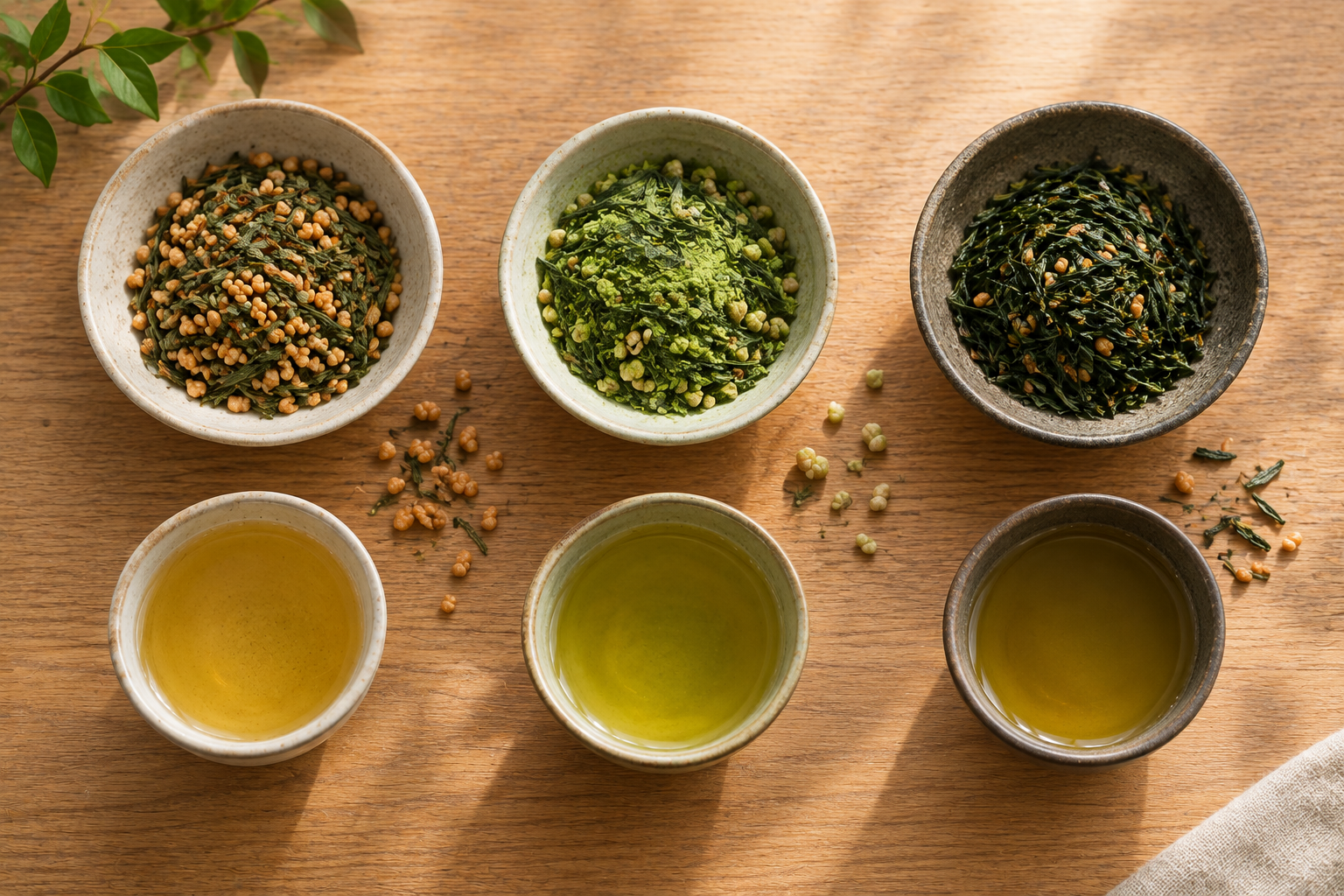
    2. Matcha-iri or not. “Matcha-iri” means matcha powder has been added. It turns the brewed tea a brighter green, adds body, and gives a smoother, slightly creamier cup. Plain genmaicha is lighter and more about the rice.

    3. Freshness. The roasted rice is what gives genmaicha its aroma, and it’s also the first thing to go flat. A large bag that you’ll take months to finish is a false saving.

    The Five Brands at a Glance

    BrandPriceWhat stands outBest for
    Nio Teas$12.65-$18.90 per 100gFour styles, including gyokuro and matcha genmaichaTrying different base teas
    Hibiki-an$24 for 200g (Matcha-iri)Big bags, matcha-iri and organic optionsDaily drinkers on a budget
    Marukyu Koyamaenabout $5.70-$8.55 per productSeveral named blends from an Uji matcha houseExploring one trusted brand
    Ippodo¥600 per 100g (Gokujo)Very cheap, simple, mildA mild everyday cup, when in stock
    Ito En / YamamotoyamaBudgetWidely available tea bagsConvenience

    Nio Teas: Best for Comparing Base Teas

    Nio Teas is the easiest place to taste the “base tea” difference for yourself, because its four genmaicha are built on different foundations. The standard Genmaicha Green Tea with Roasted Rice ($14.50 per 100g) and the Genmaicha Popcorn Green Tea ($12.65 per 100g) cover the classic style. The Gyokuro Genmaicha ($16.90 per 100g) uses shade-grown gyokuro, with notes of light sweetness, toasted popcorn and caramel, and it’s the best-reviewed of the four. The Matcha Genmaicha from Shizuoka ($18.90 per 100g) is the matcha-iri option.

    If you only buy one, try the gyokuro version – it’s the clearest demonstration of how much the base tea matters, and it’s still only a couple of dollars more than standard genmaicha.

    Pick Nio Teas if: you want to understand what makes one genmaicha better than another, not just buy a bag.

    Hibiki-an: Best Value for Matcha-Iri

    Hibiki-an, the Uji-area producer, sells its Genmaicha Matcha-iri in a 200g bag for $24: sencha and roasted, puffed brown rice coated with matcha. It’s described as hearty and grain-like but with the freshness of matcha and sencha, and the price per gram is excellent. There are also plain and organic versions in the same large format.

    The only caution is the freshness point above: 200g is a lot of genmaicha for one person. If you drink a cup a day, it’s fine. If genmaicha is an occasional tea, a smaller bag will taste better by the end.

    Pick Hibiki-an if: genmaicha is a daily habit and you like the smoother matcha-iri style.

    Marukyu Koyamaen: Best for Exploring One Brand

    Marukyu Koyamaen, best known for matcha, sells several named genmaicha blends – Miyako no Yuki (about $5.70), Saga no Yuki (about $7.28), and Takachiho and Akebono (about $8.55 each) – plus tea bag versions. The names don’t explain much on their own, so treat the range like a small tasting flight: start with one of the mid-priced blends and move up or down from there.

    Pick Marukyu Koyamaen if: you already trust the brand from its matcha or sencha and want a genmaicha from the same house.

    Ippodo: Cheap, Mild and Simple

    Ippodo keeps its genmaicha range very small. The main loose-leaf option is Gokujo Genmaicha at ¥600 for 100g, described simply as mild and easy to drink, plus a one-pot tea bag version and an organic option. It’s one of the cheapest good genmaicha you’ll find from a major tea house. The catch is availability: when I checked, Ippodo’s global shop showed its genmaicha as out of stock, so it’s worth checking back rather than relying on it.

    Pick Ippodo if: you want a mild, straightforward genmaicha and it’s in stock.

    Ito En and Yamamotoyama: Tea Bags Done Right Enough

    For convenience, the two names you’ll see everywhere are Ito En (its Oi Ocha matcha genmaicha tea bags) and Yamamotoyama, which sells both regular and organic genmaicha tea bags. Neither will match fresh loose-leaf from the shops above, but genmaicha holds up better in a tea bag than most green teas, because the toasted rice carries the flavor even when the leaf is fine.

    Pick these if: you want something easy for work, travel or the back of the cupboard.

    A Few Things People Ask Me

    Is matcha-iri genmaicha better? It’s different, not better. Matcha-iri gives a greener, rounder cup; plain genmaicha is lighter and toastier. If you like matcha lattes, you’ll probably prefer matcha-iri.

    Why does my genmaicha taste flat after a few weeks? The roasted rice loses its aroma quickly once the bag is open. Buy smaller bags, keep them sealed and away from heat and light, and finish them within a month or so.

    Can I brew genmaicha with boiling water? Hotter water than sencha is fine – around 80-95°C works well – because the rice benefits from the heat. But a gyokuro-based or high-grade sencha-based genmaicha will taste sweeter toward the lower end of that range.

    Which one would you start with? For loose leaf, Nio Teas’ genmaicha collection – especially the gyokuro genmaicha – is the most interesting. For tea bags, genmaicha tea bags on Amazon from Ito En or Yamamotoyama are the easy option.

    Where I Landed

    The brand matters less with genmaicha than with sencha or gyokuro. What matters is the base tea, whether there’s matcha in it, and how fresh the rice is. Nio Teas is where to taste those differences, Hibiki-an is the daily-drinker value pick, Marukyu Koyamaen and Ippodo are solid single-house choices, and Ito En or Yamamotoyama cover the tea-bag shelf. Buy smaller than you think you need, and the cheapest tea in the shop will taste a lot better than its price suggests.
  • Best Gyokuro Brands Compared: Where Your Money Actually Goes

    Best Gyokuro Brands Compared: Where Your Money Actually Goes

    Disclosure: This post contains affiliate links. If you buy through one of them, I may earn a small commission at no extra cost to you. Prices below were taken from each brand’s own site at the time of writing and change often – check before you buy.

    Gyokuro is the most expensive everyday Japanese green tea, and the price range is enormous. At one brand alone, a 50g bag runs from ¥1,400 to ¥10,000. When I first started buying it, I assumed the cheapest gyokuro would still beat a good sencha. Sometimes it does – but sometimes a mid-range sencha is better than an entry-level gyokuro, and the most expensive bag is wasted if you brew it the way you’d brew sencha. This comparison is about where gyokuro money is well spent and where it isn’t.

    The Problem You’re Actually Trying to Solve

    Gyokuro is shaded for weeks before harvest, which pushes the leaf toward sweetness and deep umami rather than bitterness. Every brand sells that idea, but their ranges are structured very differently: some sell eight grades under poetic names, some sell a few large bags, and some sell single-farm teas credited to a named grower. Before you pay gyokuro prices, it helps to know which kind of seller fits what you want.

    Who This Article Is NOT For

    • If you’re still deciding between gyokuro and sencha, start with sencha. My sencha brand comparison covers the same shops at lower prices, and it’s the better first step.
    • If you don’t have a way to brew at around 60°C, fix that first – gyokuro brewed hot tastes like expensive, bitter sencha. My kettle comparison explains which kettles can actually go that low.
    • If you mainly want umami for cooking or lattes, gyokuro isn’t the efficient choice. It’s a tea for drinking slowly, in small amounts.

    The Four Brands at a Glance

    BrandBased inPrice rangeBest for
    IppodoKyoto¥1,400-¥10,000 per 50g bagA clear grade ladder, from everyday to top tier
    Marukyu KoyamaenUji, Kyotoroughly $8.50-$64 per productThe widest selection of gyokuro and kabusecha
    Hibiki-anUjitawara, Kyoto$38 for 200g (Gyokuro Superior)Daily gyokuro at the best value per gram
    Nio TeasShips from Japan$30-$197 per 100gSingle-farm gyokuro from Kagoshima

    Ippodo: The Clearest Ladder

    Ippodo’s gyokuro range is eight loose-leaf teas in 50g bags, and it’s the easiest one to climb. At the bottom are Gyokuro-ko (flakes, ¥1,400), Kuki Gyokuro (stems, ¥1,500) and Mantoku (¥1,500), described as light and easy to drink. The middle – Tekiro (¥1,800), Rimpo (¥2,500) and Kanro (¥3,500) – is where the “mellow umami” Ippodo talks about really starts. At the top, Ippoen (¥6,000) and Tenka-ichi (¥10,000) are described as having concentrated, prominent umami.

    If you’re new to gyokuro, I’d start with Rimpo or Kanro rather than the cheapest bag. The entry teas are good everyday tea, but they don’t show you what gyokuro does differently from sencha.

    Pick Ippodo if: you want a trustworthy brand and a simple way to find your level.

    Marukyu Koyamaen: The Widest Selection

    Marukyu Koyamaen’s range covers around ten gyokuro and kabusecha teas, from Rakuyo (about $8.50) through Tensho, Shiun and Suiteki to Tama Homare (about $26), Hisa Homare (about $47) and Chitose no Homare at the top (about $64). The names don’t tell you much on their own, but the price order does – and the company’s long history with matcha shows in how carefully the range is graded.

    Kabusecha is worth knowing about here: it’s shaded for a shorter time than gyokuro, so it sits between sencha and gyokuro in taste and price. If gyokuro feels like too big a jump, a kabusecha from the lower-middle of this range is a good stepping stone.

    Pick Marukyu Koyamaen if: you want to explore the space between sencha and top-tier gyokuro in small steps.

    Hibiki-an: Best Value for Daily Drinking

    Hibiki-an is the value pick again, for the same reason as with sencha: bag size. Its Gyokuro Superior comes in a 200g bag for $38, which is remarkably cheap per gram for gyokuro. There’s also an Organic Gyokuro (100g for $36) and, in limited quantities, kuradashi gyokuro – gyokuro aged in storage and released in autumn, which turns rounder and deeper over time.

    Pick Hibiki-an if: you want gyokuro as a regular tea rather than an occasional treat.

    Nio Teas: Best for Single-Farm Gyokuro

    Nio Teas takes a different approach. Instead of a house blend, its gyokuro range is mostly from one named producer, Sakamoto, in Shibushi in Kagoshima, with prices from $29.99 per 100g up to around $197 per 100g. The tasting notes are unusually specific – the top tea, Gyokuro Zen, is described with “syrupy umami” and cantaloupe, while Gyokuro Sou mentions cotton candy and creamed corn.

    The best-reviewed tea in the range is also the cheapest: Gyokuro Karigane, made from the stems of gyokuro leaf, at $29.99 per 100g. Stem tea from gyokuro is a well-known way to get gyokuro’s sweetness at a fraction of the price, and it’s more forgiving to brew.

    Pick Nio Teas if: you’ve had gyokuro before and want to taste what a single farm does with it – or you want the karigane route to gyokuro sweetness on a budget.

    Brew It Right or Don’t Bother

    The fastest way to waste expensive gyokuro is to brew it like sencha. A common starting point is about 10g of leaf with only 60-80ml of water at 50-60°C, steeped for about two minutes. That’s a lot of leaf and very little water, and the result is a small, thick, sweet cup – closer to a broth than a mug of tea. Later infusions use slightly hotter water and shorter steeps.

    Because the volume is so small, a regular teapot doesn’t work well. A small kyusu or a hohin (a handle-less pot) is what most people use.

    A Few Things People Ask Me

    Is expensive gyokuro really that different? Yes, more than with sencha. The jump from entry-level to mid-range gyokuro is usually obvious, because the top grades get more shading and better leaf. The jump from mid-range to the very top is more subtle and worth it mainly if you already love gyokuro.

    What’s the cheapest way to try gyokuro properly? Gyokuro karigane (stem tea) or a lower-middle kabusecha. Both give you a sense of shaded tea’s sweetness for much less, and both are more forgiving if your water is a little too hot.

    Why are some gyokuro bags only 40-50g? Because a single session uses about 10g, and gyokuro is meant to be finished while fresh. A small bag is easier to use up before it loses aroma.

    Where should I start? For single-farm gyokuro, including the budget karigane, Nio Teas’ gyokuro collection is a good place to look. If you don’t have a small pot yet, a hohin or small kyusu on Amazon makes gyokuro much easier to brew.

    Where I Landed

    With gyokuro, how you brew matters as much as which brand you buy. Ippodo is the easiest range to climb, Marukyu Koyamaen gives you the most steps between sencha and top gyokuro, Hibiki-an makes daily gyokuro affordable, and Nio Teas is where you go for single-farm teas and the excellent karigane. Start in the middle of a range rather than at the bottom, brew it cool with lots of leaf and little water, and you’ll quickly understand why people pay what they do for it.

  • Best Sencha Brands Compared: Where to Actually Buy Good Japanese Green Tea

    Best Sencha Brands Compared: Where to Actually Buy Good Japanese Green Tea

    Disclosure: This post contains affiliate links. If you buy through one of them, I may earn a small commission at no extra cost to you. Prices below were taken from each brand’s own site at the time of writing and change often – check before you buy.

    Sencha is the tea most Japanese people actually drink every day, which makes it oddly harder to shop for than matcha. There’s no “ceremonial grade” label to lean on, most brands use their own product names instead of describing what’s in the bag, and the gap between a ¥1,000 sencha and a ¥4,000 one isn’t obvious from the packaging. So rather than ranking teas I can’t taste for you, this comparison focuses on what each brand is actually good for, how their range is structured, and what you’re paying per bag.

    The Problem You’re Actually Trying to Solve

    Most people shopping for sencha online are choosing between two bad options: a big-name grocery-store tea bag that tastes flat, or a specialist shop with forty products and names like “Kumpu” and “Unjo” that tell you nothing. What you really need is to know which brand fits how you drink – daily pot vs. occasional treat, tea bags vs. loose leaf, one reliable favorite vs. exploring regions – and where to start inside that brand’s range.

    Who This Article Is NOT For

    • If you’re shopping for roasted tea rather than green, my hojicha brand comparison covers Ippodo, Marukyu Koyamaen, Kaga Boucha and more on that side.
    • If you already know you like the darker, smoother deep-steamed style, my fukamushi sencha guide explains what to look for – most of the brands below sell a fukamushi option too.
    • If you want a single “best sencha in the world” answer, there isn’t one. Sencha varies by region, harvest and steaming, and the right pick depends on taste.

    The Five Brands at a Glance

    BrandBased inTypical price (loose leaf)Best forShips internationally
    IppodoKyoto¥1,000-¥3,500 per 80g bagA clear ladder from everyday to premiumYes (global shop)
    Marukyu KoyamaenUji, Kyotoroughly $6-$28 per productThe widest range, labeled by strengthYes
    Hibiki-anUjitawara, Kyoto$27-$32 per 200g (most teas)Buying in bulk at good valueYes, from Uji
    Nio TeasShips from Japanroughly $12-$30 per 100gSingle-farm teas from different regionsYes
    Ito EnTokyoBudgetTea bags and convenienceWidely sold on Amazon

    Ippodo: The Easiest Range to Understand

    Ippodo, the long-established Kyoto tea house, is the brand I’d point a first-time sencha buyer to, mainly because its range is laid out like a ladder. The loose-leaf senchas run from Unro (¥1,000) and Nichigetsu (¥1,200) at the everyday end, through Hosen (¥1,800) and Kumpu (¥2,500), up to Kaboku (¥3,500) – all in 80g bags, and each described in plain terms like “refreshing sharpness” or “bold flavour with satisfying umami.” That makes it easy to start in the middle and move up or down depending on what you like.

    They also sell a stem sencha (Kuki Sencha), a cheap sencha-ko made from small leaf fragments, and an organic sencha, plus several tea bag formats.

    Pick Ippodo if: you want a trustworthy brand and a simple way to find your preferred level without decoding dozens of products.

    Marukyu Koyamaen: The Widest Range

    Marukyu Koyamaen is better known for matcha, but its sencha range is large – around sixteen products between loose leaf and tea bags. The most helpful thing about it is that some teas are explicitly labeled by style, such as “Strong Sencha” (Choyozan, Manpukuzan) and “Mild Sencha” (Hatsu Midori), which takes a lot of guesswork out of buying. Prices span roughly $6 for everyday teas like Tsubokiri up to about $28 for Teki Teki at the top.

    They also sell a mizudashi (cold-brew) sencha tea bag, which is a nice option for summer.

    Pick Marukyu Koyamaen if: you already know whether you prefer bold or gentle sencha, or you want room to explore one brand for a long time.

    Hibiki-an: Best Value If You Drink a Lot

    Hibiki-an is a tea producer in Ujitawara, in the Uji area of Kyoto, selling directly and shipping worldwide from Japan. Its prices are in US dollars and the most noticeable thing is the bag size: core teas like Sencha Superior, Sencha Fukamushi Superior and House Sencha come in 200g bags for $27-$32. For someone drinking sencha every day, that’s very good value per gram compared with 80-100g bags elsewhere.

    The range also includes some interesting extras: a karigane (stem tea from higher-grade leaves), an organic sencha, and a kuradashi sencha – tea aged in storage and released in autumn.

    Pick Hibiki-an if: sencha is your daily tea and you’d rather buy a big bag at once than reorder small ones.

    Nio Teas: Best for Exploring Regions and Farms

    Nio Teas works differently from the Kyoto houses above: rather than one house style, it sells single-farm senchas from different regions and cultivars, each credited to the farmer who made it. Its sencha collection runs to around sixteen teas – examples include a fukamushi sencha from Kagoshima (about $26 per 100g), a Shizuoka sencha (about $30 per 100g), and an affordable everyday option at around $12 per 100g. You can also filter the range by region, cultivar and taste profile.

    Pick Nio Teas if: you’ve had good sencha before and want to understand how Kagoshima, Shizuoka and other regions actually differ, rather than sticking with one house blend.

    Ito En: Best for Convenience

    Ito En is Japan’s largest green tea company and the one most people outside Japan have already seen, mostly through its Oi Ocha tea bags and bottled tea. It isn’t trying to compete with specialist tea houses on depth, and loose-leaf enthusiasts will find it simple. But it’s cheap, consistent, and easy to buy on Amazon, which makes it a reasonable office or travel tea.

    Pick Ito En if: you want something easy for tea bags at work, or you’re not sure yet whether you’ll drink sencha regularly.

    How I’d Choose

    • First time buying loose sencha: Ippodo, starting with a mid-range tea like Hosen.
    • You drink it every day: Hibiki-an for value, or Marukyu Koyamaen if you want to choose by strength.
    • You want to learn what makes sencha different: Nio Teas, buying two teas from different regions and comparing them side by side.
    • You just want decent tea bags: Ito En.

    Whichever you pick, temperature matters more than brand. A good sencha brewed with boiling water will taste worse than an average one brewed at 70-80°C.

    A Few Things People Ask Me

    Is more expensive sencha always better? Not exactly. Higher-priced sencha usually has more umami and sweetness, but some people prefer the sharper, more refreshing character of everyday sencha, especially with food. Price tells you about grade, not about whether you’ll enjoy it.

    Why do Japanese brands use names instead of grades? Most tea houses name their blends rather than grading them, partly because a blend is adjusted each year to keep the taste consistent. That’s why reading the brand’s flavor description matters more than the name itself.

    Loose leaf or tea bags? Loose leaf has more room to open up and generally tastes better. Tea bags are fine for convenience, and the brands above sell good ones, but if you’re judging a brand, judge it by its loose-leaf tea.

    Where should I start if I only buy one? If you want to compare regions, Nio Teas’ sencha collection is the easiest place to do it from one shop. If you want something cheap and quick to try first, Ito En sencha on Amazon is the low-risk option.

    Where I Landed

    There isn’t one best sencha brand, but there’s usually a best brand for how you drink. Ippodo makes it easy to find your level, Marukyu Koyamaen gives you the most choice, Hibiki-an is the value pick for daily drinkers, Nio Teas is for exploring regions, and Ito En covers convenience. Choose by habit first and price second, and get the water temperature right – that does more for your cup than anything on this list.