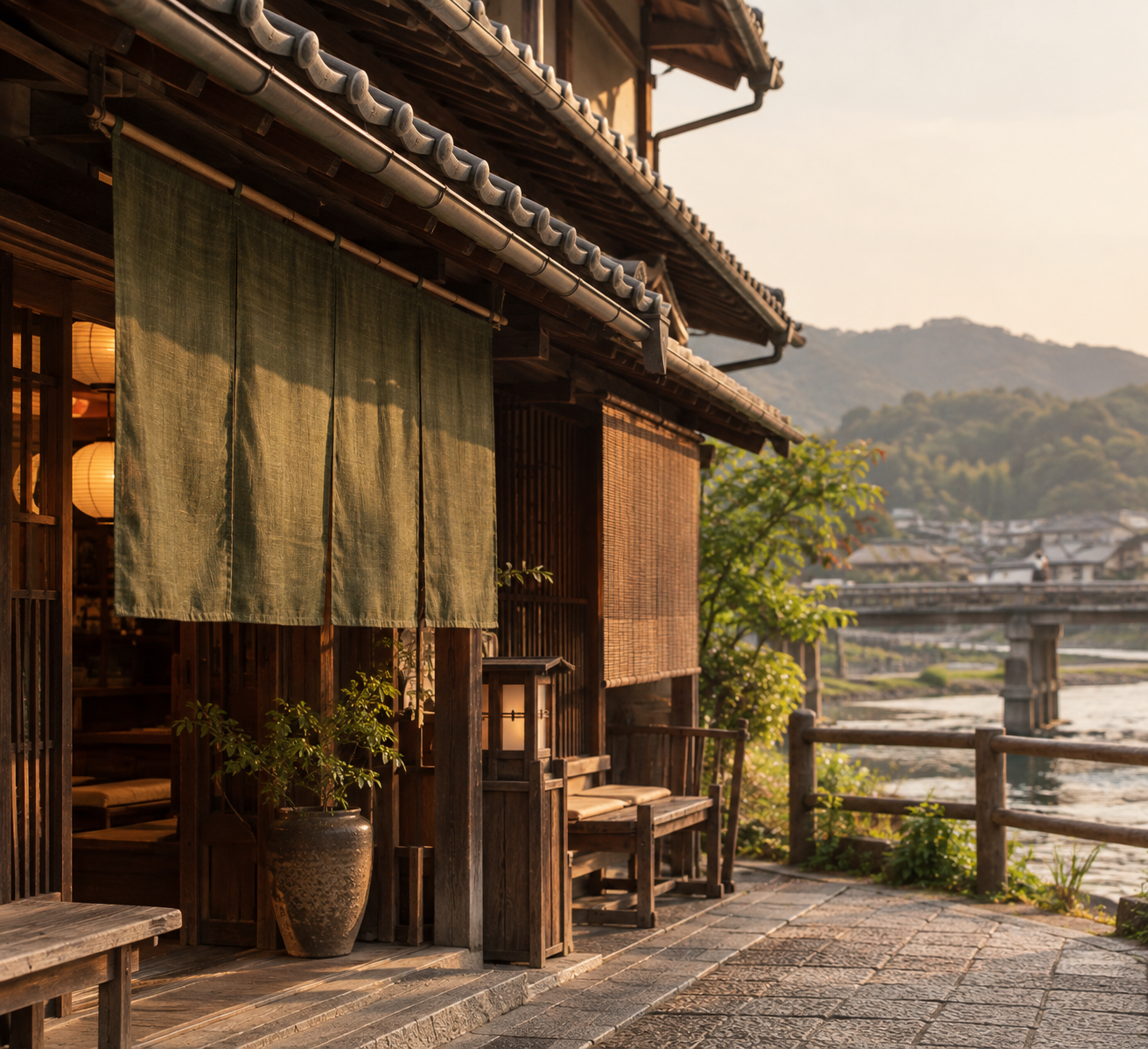
Uji, just south of Kyoto, has been synonymous with Japanese tea for over 800 years, and unlike a lot of historic industries, several of the actual shops that built that reputation are still family-run in the same buildings, some of them literally centuries old. This is a look at five of the most historically significant, from a tea house founded by a retired samurai in 1160 to a 1717 Kyoto merchant that eventually became one of the most recognized matcha names outside Japan. None of these are marketing legends dressed up for a tin label — every one of them is a documented, verifiable business with a continuous operating history behind it.
The Problem You’re Actually Trying to Solve
You’ve searched for historic Uji and Kyoto tea shops because you’re either planning a trip and want to know which ones are worth the visit versus which are just tourist-trap adjacent, or you’ve encountered these names on matcha tins and packaging and want to understand the history behind them before deciding whether that heritage is worth paying for. Either way, this is a genuine, verifiable history, not marketing embellishment, though I’ll note where a shop’s fame outpaces easy access for anyone not physically in Japan.
Who This Article Is NOT For
Let’s save you some scrolling if this isn’t quite your situation.
- If you want current product reviews and grading for specific matcha brands, this covers shop history rather than product comparison — my matcha powder brands comparison covers that ground instead.
- If you’re looking for a full Uji travel itinerary, this focuses specifically on the tea shops themselves rather than broader sightseeing logistics.
If you’re past that, here’s where the actual history starts.
Tsuen Tea (Founded 1160)
Tsuen Tea, located at the east side of the Uji Bridge, holds a genuinely remarkable claim: it’s considered the oldest continuously operating tea shop in the world, founded in 1160 by Furukawa Unai, a samurai who served under General Minamoto no Yorimasa. After his military career ended, he retired to Uji, changed his name to Tsuen, and opened the shop that’s now run by the 24th generation of his family.
The current building dates to 1672, and the shop has served travelers, monks, and samurai crossing the historically significant Uji Bridge for centuries, later becoming known specifically for strong, traditionally prepared matcha. It’s genuinely one of the oldest continuously operating companies in the world, not just in tea.
Worth knowing: Tsuen ships internationally through select retailers, though availability and shipping times vary considerably by destination, and it’s a far less common sight on Western shelves than more export-focused brands.
Kanbayashi Shunsho Honten (Founded 16th Century)
Kanbayashi Shunsho traces back roughly 450 years to the Eiroku era in the mid-1500s, founded by the Kanbayashi family, and rose to prominence when Ashikaga shoguns championed Uji tea specifically. Few tea houses can claim such direct historical ties to the earliest formal cultivation of Uji tea.
Worth knowing: This is one of the more historically significant names in this list precisely because of its early role in shaping Uji tea culture itself, rather than simply being an old business in the region.
Ippodo (Founded 1717)
Ippodo, founded in Kyoto proper rather than Uji itself, began under the Watanabe family, originally known as Omiya, serving Kyoto aristocracy and everyday customers alike. It earned the name “Ippodo,” meaning roughly “one tea store,” from a prince in 1846 in recognition of its reputation. Today it’s one of the most internationally recognized Japanese tea brands.
Worth knowing: Ippodo is the most accessible name on this list for anyone outside Japan, with a well-established English-language storefront and reliable international shipping, which is a big part of why it’s become the default entry point for many Western matcha drinkers.
Shop Ippodo matcha on Amazon →
Marukyu Koyamaen (Founded Late 1600s)
Marukyu Koyamaen traces its roots to the Genroku era, roughly the 1680s to early 1700s, when the Koyama family’s first generation began cultivating tea in Uji. It’s grown into one of the most respected names specifically among serious matcha drinkers for its detailed grading system.
Worth knowing: Unlike some historic shops that lean on heritage alone, Marukyu Koyamaen’s reputation today rests heavily on the technical depth of its product lineup, which rewards buyers willing to actually learn the grading system rather than just trusting the name.
Shop Marukyu Koyamaen matcha on Amazon →
Fukujuen (Founded 1790)
Fukujuen was founded in 1790 by a tea merchant named Iyemon Fukui in Kamikoma, in the Yamashiro area of southern Kyoto. It’s grown into a larger, more broadly distributed operation than some of the smaller family shops on this list, while still maintaining its historical roots in the region.
Worth knowing: Fukujuen tends to be more widely available through general retail channels than some of the more tourist-focused shops, making it a reasonably accessible option if you want a historically rooted brand without needing to track down a specialty importer.
Nakamura Tokichi (Founded 1854)
Founded by its namesake, born in 1832, who began training at a tea house at age ten and opened his own store at 22, Nakamura Tokichi built a reputation partly through supplying tea to the Japanese royal family. It’s since expanded with locations in Kyoto, Tokyo, and Osaka, and its Uji main store remains a popular destination specifically for tea-based sweets and parfaits alongside traditional tea sales.
Worth knowing: This is one of the more tourist-accessible shops on the list if you’re actually planning a visit to Uji, known as much for its matcha desserts as for the tea itself.
Which One’s Reputation Actually Reaches You Outside Japan
If you want the most accessible historic name with reliable international shipping: Ippodo, by a wide margin, given its established English-language presence.
If you want serious grading depth and don’t mind researching a system before buying: Marukyu Koyamaen.
If you’re physically visiting Uji and want the deepest historical experience: Tsuen Tea, for the sheer weight of its 1160 founding and unbroken family lineage, or Kanbayashi Shunsho for its direct ties to Uji tea’s earliest formal cultivation.
If you want dessert and a memorable visit alongside the tea itself: Nakamura Tokichi’s Uji location is built for exactly that experience.
A Few Things People Ask Me
Does a shop’s age actually correlate with better tea quality today? Not automatically, though centuries of continuous operation generally reflects sustained expertise and reputation management that a newer brand hasn’t had time to build or fail at. Age is a meaningful signal, not a guarantee, and some of the most technically respected matcha today, like Marukyu Koyamaen’s, comes from careful grading systems developed and refined over generations, not just from having existed a long time.
Can I actually order from these shops if I don’t live in Japan? It varies significantly. Ippodo has the most established international shipping and English support of the group. Others, like Tsuen, may only be reachable through third-party specialty retailers, with longer and less predictable shipping timelines.
Is there a difference between a “tea house” you visit and a “tea shop” you buy from, in this context? Several of these businesses operate as both simultaneously, a retail shop selling packaged tea alongside a café or tasting room on-site. Nakamura Tokichi and Tsuen both lean into this dual identity, particularly for visitors, while others like Marukyu Koyamaen are more purely product-focused for the export market.
Why does Uji specifically have so many historic tea shops compared to other regions? Uji pioneered the shading techniques behind gyokuro and tencha, the leaf that becomes matcha, centuries ago, and that early technical leadership attracted concentrated trade and shogunal patronage that other regions didn’t receive at the same scale or timing.
Where I Landed
What strikes me most about this list isn’t just the ages involved, though founding a business in 1160 and still having it family-run today is genuinely remarkable, it’s how differently each shop chose to age. Some, like Ippodo, leaned into global accessibility and became the default name most Western matcha drinkers actually recognize. Others, like Tsuen, stayed rooted almost entirely in their original location and identity, prioritizing continuity over expansion.
Neither approach is more legitimate than the other, and knowing this history changes how a tin on your shelf actually reads once you know what centuries of continuous operation, or in some cases deliberate restraint from over-expanding, actually represents. The next time you see one of these names on a package, it’s worth remembering it’s not just branding — it’s a specific family, in a specific place, that’s been doing this for longer than most countries have had their current form of government.