Disclosure: This post contains affiliate links. If you buy through one of them, I may earn a small commission at no extra cost to you. Links to Yunomi.life itself are not affiliate links. Shipping methods, fees and policies below are from Yunomi.life’s website at the time of writing (October 2026) and change often – always check at checkout.
Quick Verdict
- Is Yunomi.life worth it? Yes, if you want variety. It’s an online marketplace based in Tokyo that sells tea from small Japanese farms, factories and shops to customers in 100+ countries – including teas you almost never see outside Japan.
- Best for: adventurous tea drinkers who want to explore regions, farms and unusual teas, and who are happy to wait for international delivery.
- Not ideal for: people who want one cheap bag quickly. International shipping costs make small orders expensive.
- Best first order: a sampler, plus one or two teas you can’t find anywhere else – for example, a single-farm sencha or a regional specialty.
- Prefer a simpler, curated shop with fewer choices? Nio Teas also ships tea from small Japanese farms, with a smaller, easier-to-browse selection. At the time of writing, ordering through the links on this page automatically applies a 10% discount at checkout – no code needed. Offers can change, so check the final price in your cart.
Below: how Yunomi.life works, what it does well, the honest downsides, and how to order without overpaying for shipping.
Quick note: this is a review of Yunomi.life, the online tea shop. If you’re looking for the Japanese teacup called a yunomi, that’s a different article.
Most Japanese tea sold abroad comes from a handful of big brands. But Japan has thousands of small tea farms and family factories, and almost none of them sell overseas – they don’t have English websites, export paperwork, or international shipping. Yunomi.life exists to fix that. It’s one of the main ways tea lovers outside Japan can buy directly from the small producers who actually grow and make the tea.
The Problem You’re Actually Trying to Solve
You’ve tried the well-known brands and want to go further – single-farm teas, unusual regional styles, things you’ve read about but can’t find. Yunomi.life comes up again and again, but you want to know whether it’s trustworthy, how shipping works, and whether it’s worth the cost.
Who This Article Is NOT For
- If you want a monthly box rather than choosing teas yourself, my Japanese tea subscription box guide compares the main options.
- If you just want one good everyday sencha from a domestic US seller, a US-based shop with faster, cheaper shipping will suit you better.
- If you’re new to Japanese tea and overwhelmed by choice, a smaller curated shop is an easier starting point.
How Yunomi.life Works
Yunomi.life is run by Yunomi Life Co., Ltd., based in Tokyo, with Ian Chun as CEO. It grew out of an earlier project selling tea for a farm in Wazuka, Kyoto, around 2010, and launched as a broader marketplace a few years later.
The idea is simple:
- Small Japanese producers list their teas – family farms, tea factories, teaware studios and long-established shops.
- Yunomi handles the hard parts – English descriptions, promotion, export rules and international shipping.
- You buy from many producers in one place, and Yunomi ships to you from Japan.
The company also translates customer reviews into Japanese and passes them on to the producers – a small detail that shows the “people-to-people” focus behind the business.
By early 2026, Yunomi.life was approaching its 50,000th order.
What You Can Buy
The range is enormous:
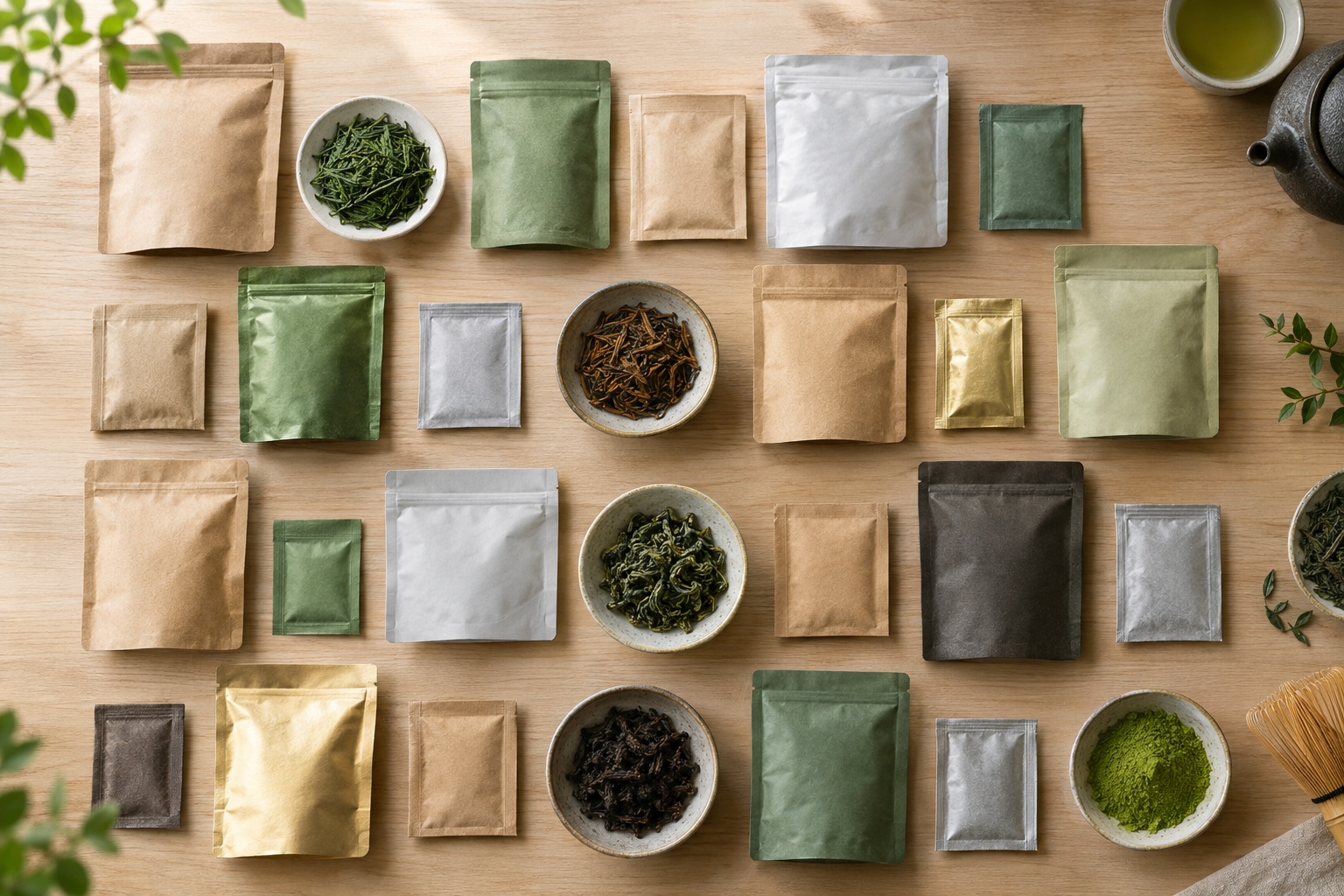
- Green teas: sencha, fukamushi, gyokuro, kabusecha, kamairicha, tamaryokucha, bancha, kukicha, genmaicha, hojicha
- Matcha from multiple regions and producers
- Black tea, oolong and rare styles, including fermented teas like goishicha and awa bancha (my guide to Japan’s fermented teas explains these)
- Herbal and grain teas, teaware, snacks and samplers
- A quarterly subscription box – at the time of writing, each box contained 11 teas (10g each), 2 tisanes and 2 snacks
What’s Genuinely Good
- Unmatched variety. If a Japanese tea exists, there’s a good chance you’ll find it here – including teas from small farms with no other way to reach overseas buyers.
- Direct from producers. You can often see which farm or factory made your tea, sometimes with photos and background.
- Great for learning. Comparing several senchas from different regions or farms side by side teaches you more than any article can.
- Supports small farms. Japan’s tea industry is shrinking and ageing – Yunomi cites figures showing the number of tea farms has fallen dramatically over recent decades. Buying direct helps small producers stay in business.
- Delivery guarantee. Yunomi states that it guarantees delivery of retail orders: if a parcel is lost and can’t be reshipped, it offers a refund, and damaged items reported with a photo are replaced or refunded.
The Honest Downsides
- Shipping costs. International courier shipping isn’t cheap, and it makes small orders expensive. You’ll get much better value by ordering several teas at once.
- Fewer shipping options for the US. At the time of writing, Yunomi’s site said Japan Post mail wasn’t available for the USA, so US orders go by courier – faster, but usually pricier.
- Possible duties and taxes. Depending on your country, you may pay import taxes or fees on delivery. Check your country’s rules before placing a large order.
- Waiting time. Orders typically take 1-5 days to fulfill before shipping, plus delivery time – and out-of-stock items or customs checks can add more.
- Quality varies by producer. It’s a marketplace, not a single brand. Most teas are good, but you’re choosing among many sellers, so read descriptions and reviews carefully.
- Overwhelming choice. The huge catalog is a strength for enthusiasts but can be confusing for beginners.
How to Order Smart
- Make one bigger order instead of several small ones. Shipping is the main cost, so combine teas.
- Start with a sampler. It’s the cheapest way to taste several producers before committing to full bags.
- Sign up for the newsletter. At the time of writing, Yunomi offered a discount coupon for new newsletter members.
- Compare shipping methods at checkout. Prices and speeds differ a lot between couriers.
- Read producer descriptions and reviews. Look for harvest date, region and cultivar – the same signals of quality you’d look for anywhere.
- Order fresh teas in spring and early summer. That’s when new-season sencha (shincha) is available.
What to Try First
| If you like… | Look for | Why it’s worth ordering from Japan |
|---|---|---|
| Sencha | Two senchas from different regions (e.g. Shizuoka and Kagoshima) | Tasting them side by side shows how much region matters |
| Matcha | A small tin from a farm-direct producer | Fresher and more specific than supermarket matcha |
| Something new | A regional specialty like kamairicha or tamaryokucha | Rarely sold outside Japan |
| Roasted tea | A single-farm hojicha | Small roasters often have distinctive styles |
| Adventure | A fermented tea such as awa bancha | Almost impossible to find elsewhere |
Yunomi.life vs. Other Ways to Buy
| Yunomi.life | Nio Teas | US-based Japanese tea shop | |
|---|---|---|---|
| Ships from | Japan | Japan | Within the US |
| Selection | Huge marketplace of many producers | Curated selection from small farms | Usually one producer or region |
| Best for | Exploring and rare teas | Easy-to-browse farm teas | Fast, cheap everyday reorders |
| Shipping | International courier, varies | International | Domestic, cheaper |
| Drawback | Overwhelming, shipping costs | Smaller range | Less variety |
A Few Things People Ask Me
Is Yunomi.life legit? Yes. It’s a registered Japanese company based in Tokyo that has been selling tea internationally for over a decade, with tens of thousands of orders and a published delivery guarantee.
How long does shipping take? It depends on the courier and your country. Orders generally take 1-5 days to fulfill, plus delivery time shown at checkout.
Will I pay customs fees? Possibly, depending on your country. Yunomi notes that buyers may owe duties or taxes on delivery.
Is the subscription box worth it? If you enjoy discovering new teas, yes – it’s a curated way to try many small producers. If you already know what you like, buying individual teas gives you more control.
Is it better than buying from one brand? For variety, yes. For simplicity and speed, a single trusted brand is easier.
Where I Landed
Yunomi.life is the closest thing to walking through Japan’s tea country from your kitchen. For anyone who’s outgrown the big brands and wants to taste the difference between farms, regions and unusual styles, it’s an excellent resource – especially if you order several teas at once to make shipping worthwhile. If you’d rather have a smaller, simpler selection, a curated shop is easier. But if you want to explore, this is where to start.
You can browse the full catalog on Yunomi.life.