Disclosure: This post contains affiliate links, including to Nio Teas. If you buy through one of them, I may earn a small commission at no extra cost to you.
Most of the brands I’ve covered on this site specialize narrowly, one region, one product type, one specific grade. Nio Teas takes the opposite approach: over 50 different Japanese teas, direct relationships with individual farms, and a catalog that ranges from everyday sencha to genuinely rare styles most people outside Japan have never heard of, like awabancha or goishicha. That range is either exactly what you’re looking for or more than you need, depending on where you are in your own tea journey, and this review is about sorting out which, rather than just listing everything they sell.
The Problem You’re Actually Trying to Solve
You’ve searched for a Nio Teas review because the catalog is large enough to feel overwhelming, and you want to know what’s actually worth your first order rather than scrolling through fifty tea listings trying to guess. That’s a fair thing to want clarity on, especially from a brand whose entire pitch is breadth rather than a narrow, curated lineup.
Who This Article Is NOT For
Let’s save you some scrolling if this isn’t quite your situation.
- If you already know exactly which specific tea you want, this general overview won’t add much — go straight to that product category.
- If you want the deepest possible dive into one narrow category, like just ceremonial matcha grading, my matcha powder brands comparison covers that specific ground in more depth across multiple brands, Nio Teas included.
If you’re past that, here’s where the actual review starts.
What Actually Sets Nio Teas Apart
Nio Teas’ core pitch is direct farmer sourcing: the company’s founders travel through Japan meeting individual tea farmers in person, and the brand specifically commits to sourcing from farms that grow without pesticides or chemicals. That’s a genuinely meaningful sourcing story, not just marketing language, since it means the catalog reflects actual relationships with specific growers rather than anonymous wholesale purchasing where the actual farm behind a listing is anyone’s guess.
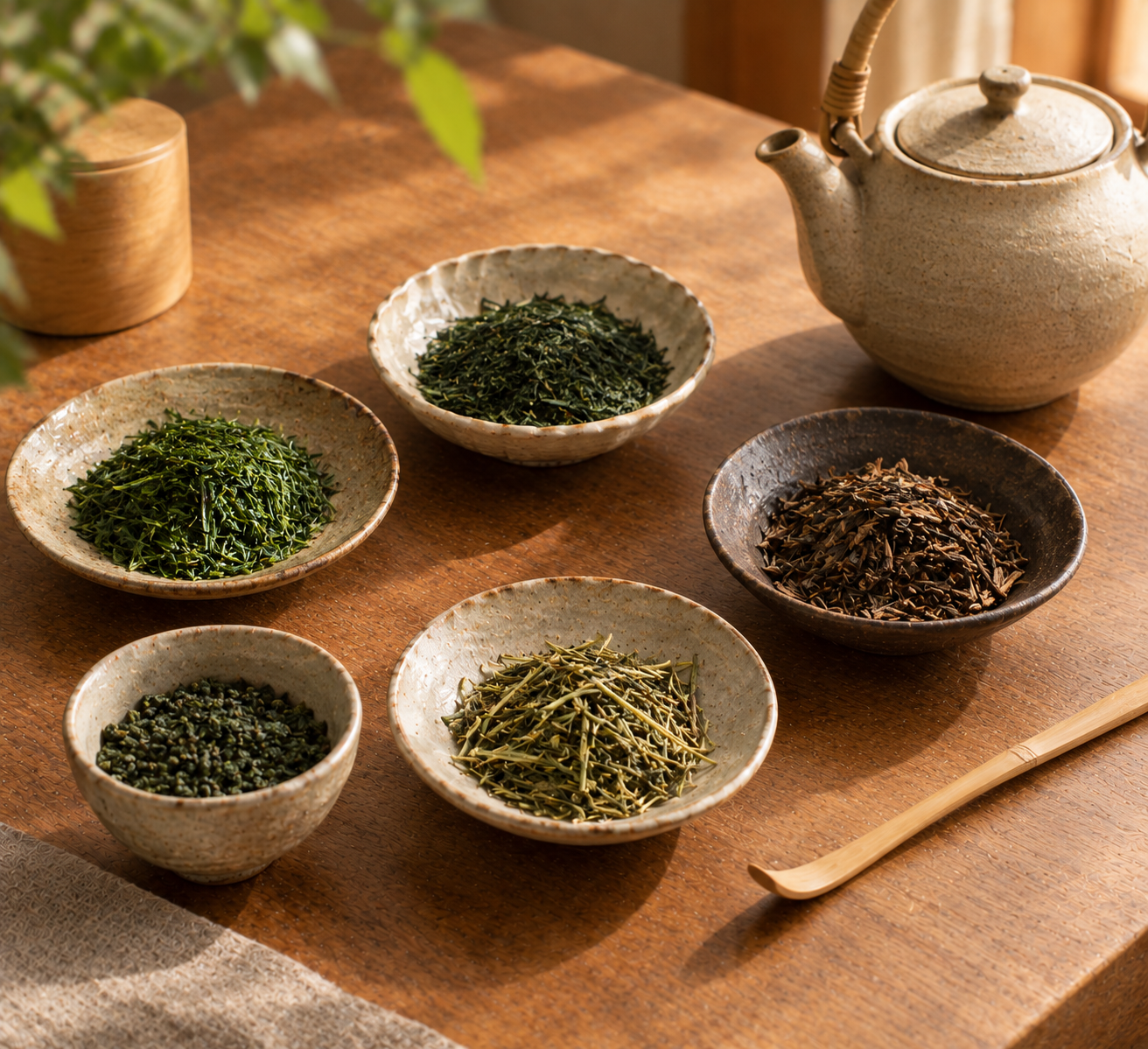
The practical result is a catalog with real depth in categories most brands don’t bother stocking at all: multiple sencha sub-styles (shincha, fukamushi, bancha), several stem tea varieties (kukicha, karigane, kuki hojicha), and rare fermented and regional teas that are genuinely hard to find through Western retailers otherwise. For someone who’s already worked through the basics covered elsewhere on this site, this is genuinely one of the more interesting places to keep exploring.
Where to Actually Start
Samplers, If You’re New or Undecided
Shop Nio Teas’ loose leaf samplers →
Given how large the catalog is, a sampler is genuinely the smartest first purchase rather than committing to a single full-size tin blind. Nio Teas’ samplers pull from across their range, letting you actually taste your way toward a preference instead of guessing based on a product description alone.
Ceremonial Matcha
Shop Nio Teas’ ceremonial matcha →
Nio Teas’ ceremonial matcha lineup benefits from the same pesticide-free, direct-farm sourcing as the rest of the catalog, and it’s a reasonable entry point if matcha specifically is your focus, alongside the brands covered in my broader matcha comparison.
Gyokuro, If You Want to Go Deeper
Gyokuro is one of the harder teas to find well-sourced outside Japan, and it’s a category where Nio Teas’ direct-farm model genuinely pays off, since gyokuro quality depends heavily on shading technique and harvest timing that’s easier to verify through a direct farmer relationship than through anonymous wholesale sourcing.
Teaware, Sold Right Alongside the Tea
Shop Nio Teas’ kyusu teapots →
Unlike brands that focus purely on the tea itself, Nio Teas also stocks a reasonable teaware catalog, kyusu, chawan, chasen, and shiboridashi, which makes it a genuinely convenient one-stop option if you’re building out a home setup rather than piecing tools together from several different retailers.
Where the Catalog Size Becomes a Genuine Downside
Fifty-plus teas is a strength for exploration and a real friction point if you just want a straightforward, confident first purchase. Unlike a narrower specialist brand where the top pick is obvious, Nio Teas asks you to do a bit more of your own navigating, or lean on a sampler specifically to shortcut that process, which is exactly why I’d point most first-time buyers there rather than toward any single full-size product.
A Few Things People Ask Me
Is “pesticide-free” the same as certified organic? Not necessarily in a formal certification sense — it depends on the specific farm and whether they’ve pursued official organic certification versus simply farming without chemical inputs by practice. If formal certification matters specifically to your purchase, it’s worth checking the individual product listing rather than assuming the broader sourcing philosophy guarantees a specific certification.
Does the direct-farmer sourcing actually show up in the cup, or is it mostly a nice story? Sourcing quality generally does show up in freshness and consistency, since a direct relationship with a specific farm allows for tighter quality control than buying from a wholesale blend of unnamed sources. That said, personal taste still varies tea to tea, and no sourcing story substitutes for actually trying a specific product yourself.
Is Nio Teas a good fit if I only want one specific tea type, like just hojicha? Yes, the catalog is structured so you can shop a single category without needing to engage with the full breadth of what’s available, which makes it just as usable for a narrow, specific purchase as for broad exploration.
How does Nio Teas compare to a narrower specialist brand for someone who already knows they love, say, sencha specifically? A narrower specialist may offer deeper expertise within that one category, but Nio Teas’ sencha lineup itself has real sub-variety (shincha, fukamushi, bancha) that a lot of specialist brands don’t bother stocking, so it holds up reasonably well even for a narrowly focused buyer.
Is shipping and pricing competitive with other Japan-sourced tea brands? Pricing generally sits in a comparable mid-range for direct-sourced Japanese tea, though exact costs vary by product category and shipping destination, so it’s worth checking current rates for your specific location rather than assuming a fixed number.
Where I Landed
Nio Teas earns its place on this site specifically because the breadth is backed by a genuine sourcing story, not just a large catalog for its own sake. If you’re new to Japanese tea broadly, start with a sampler rather than guessing at a single product. If you already know your lane, whether that’s matcha, gyokuro, or a specific stem tea, the catalog has real depth to reward that focus too.
Either way, this is a brand where the size of the catalog is a genuine advantage once you know how to navigate it, rather than a reason to feel overwhelmed and default to a smaller, narrower brand out of convenience alone. The direct-farm sourcing story is also worth remembering the next time you’re deciding whether a brand’s ethical claims are worth paying attention to versus just marketing noise — in this case, it’s a genuine, verifiable part of how the business actually operates.