Disclosure: This post contains affiliate links. If you buy through one of them, I may earn a small commission at no extra cost to you.
The first time I bought shincha, I treated it like any other sencha – put it in the cupboard, drank it slowly over the summer, and by August I was wondering what the fuss was about. That was the mistake. Shincha isn’t a separate tea variety so much as a moment: the first sencha of the year, sold and drunk while it’s still at its freshest. Drink it slowly and you’ve effectively turned it back into ordinary sencha, at a premium price.
The Problem You’re Actually Trying to Solve
Most people who look up shincha have seen it as a limited seasonal listing – “Shincha 2026, available now” – and want to know whether it’s genuinely different or just marketing around a date. The honest answer is both: the leaf is real first-flush sencha with a character you can’t get later in the year, but most of that character depends on how quickly you drink it, which is the part almost nobody explains.
Who This Article Is NOT For
- If you want the chemistry of why spring tea tastes sweeter than summer tea – theanine, catechins, the full harvest calendar – my ichibancha vs. nibancha breakdown covers that in detail. This article is about shincha as a seasonal tea you buy and drink, not harvest science.
- If you’re looking for matcha specifically, shincha almost always means loose-leaf sencha, not powdered tea.
- If you prefer to stock up on tea and drink it gradually over months, shincha’s main selling point mostly disappears – a good regular first-flush sencha will serve you just as well for less.
What Shincha Actually Is
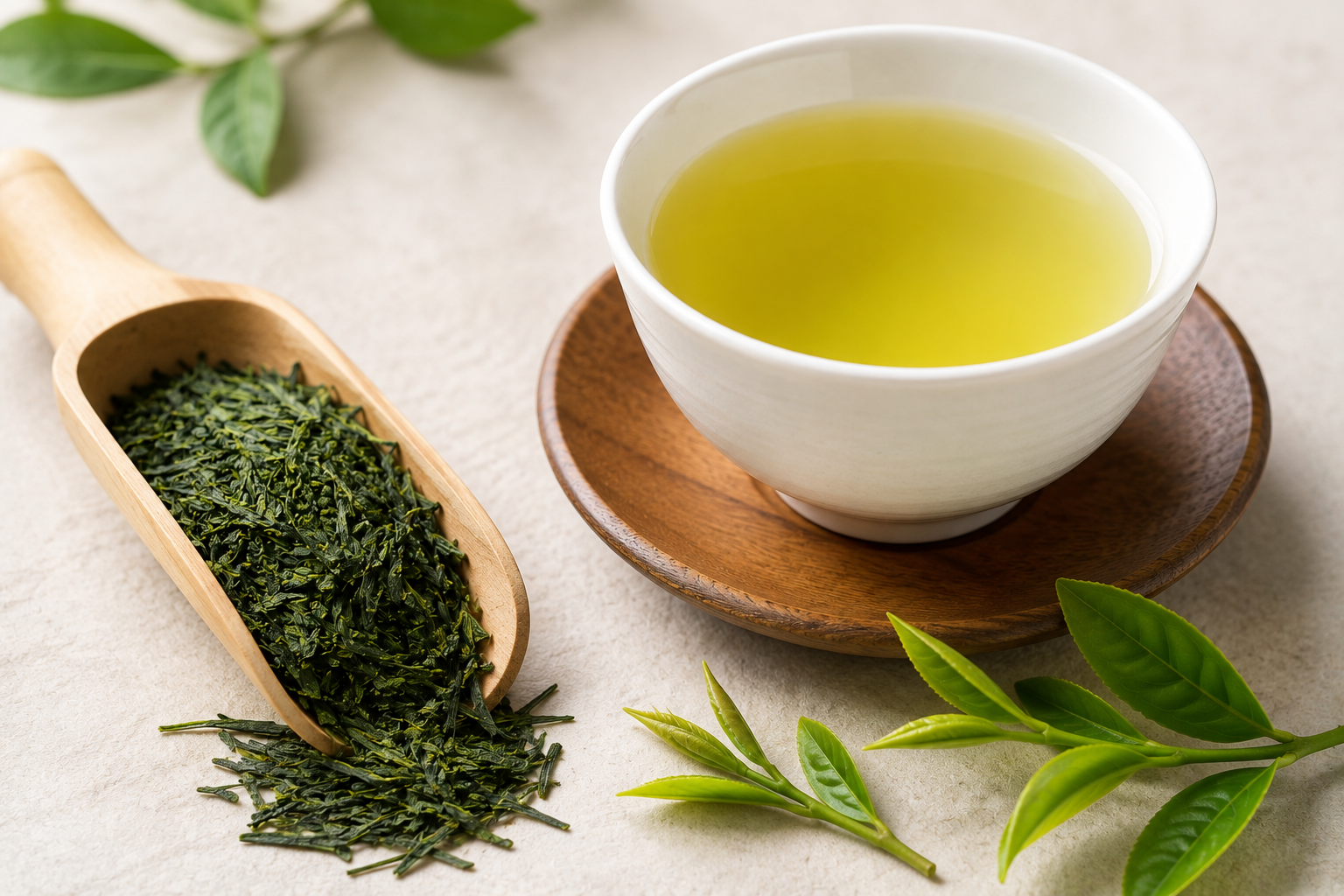
Shincha (新茶) literally means “new tea”: the first sencha harvested in a given year. Picking starts in mid-to-late April in Kagoshima in the south and moves north over the following weeks, wrapping up in most regions by May, with shincha generally on sale from mid-April through mid-June.
Technically, shincha is the same leaf as ichibancha – first-flush tea. The difference is emphasis. “Ichibancha” tells you which harvest the tea came from; “shincha” tells you it’s this year’s first harvest, sold fresh, now. A tin of ichibancha sencha bought in December is still first flush. It just isn’t shincha anymore in the sense anyone means when they use the word.
The 88th Night
The date most associated with shincha is hachijuhachiya – the 88th night counted from risshun, the traditional start of spring on the Japanese calendar, which falls around May 1-2. Tea picked on that day is traditionally said to bring good health and luck for the coming year, and there’s a well-known children’s song about tea picking that opens with exactly this date.
Whether 88th-night tea genuinely tastes better than tea picked a few days earlier or later is debatable – producers themselves tend to admit it’s more tradition than measurable fact. But it’s a good marker for when shincha season is at its peak, and it’s part of why the tea feels like a seasonal event in Japan rather than just another product.
Why It Tastes Different (and Why It Doesn’t Last)
Shincha’s sweetness and low astringency come from the nutrients the plant stores through winter and pushes into its first spring buds. What makes shincha shincha, though, is the aroma – a sharp, fresh, grassy top note often described as aoka (literally “green fragrance”) that you only really get in the first weeks after processing.
That aroma is the fragile part. Shincha is typically finished with a lighter final firing (hi-ire) than sencha destined for longer storage, which preserves the fresh character but leaves the tea more vulnerable to oxygen, light, and moisture. The practical rule: open it soon after it arrives and try to finish an opened bag within a few weeks, kept airtight and away from heat. Unopened, it’ll keep longer in the fridge, but the top note fades steadily regardless. My green tea storage guide covers the general storage rules; with shincha, the main difference is simply that the clock runs faster.
How to Brew It
Shincha brews much like a good sencha, and you can steer it toward sweetness or aroma with temperature:
- Leaf: about 5g (roughly 2 teaspoons) per 200-250ml of water
- For sweetness: around 70°C (158°F), steeped about 60 seconds
- For the bright, grassy aroma: around 80°C (176°F), steeped 30-45 seconds
- Second infusion: slightly hotter water, shorter steep – 15-20 seconds is plenty
I’d brew the first cup from a new bag on the cooler side to taste the sweetness, then try the hotter, quicker method on the next round to see the aroma side – it’s one of the few teas where the difference between the two is obvious even to a beginner.
It’s Autumn – So What Now?
If you’re reading this in autumn, shincha season is long over, and anything still sold under that name has had months to lose exactly what made it special. Two better options:
Pre-order next spring’s shincha. Many Japanese tea sellers take pre-orders and ship by air shortly after processing, which is the only way to get shincha internationally while it’s still genuinely fresh. Sea freight or a long sit in a warehouse defeats the point.
Try kuradashi instead. Autumn has its own seasonal tea that’s almost the mirror image of shincha. Kuradashi (“taken out of storage”) is high-quality spring tea deliberately aged in cold, airtight storage and released in autumn and winter. Where shincha is brisk and green, kuradashi turns smoother, deeper, and less astringent, sometimes picking up notes of honey, nuts, or fruit. It goes back to the Edo period, when tea jars were stored over summer in cool mountain storehouses and opened in autumn – a tradition still marked in tea ceremony as kuchikiri, the ceremonial opening of the jar. Drinking shincha in spring and kuradashi in autumn is a nice way to taste the same first-flush leaf at both ends of its life.
A Few Things People Ask Me
Is shincha worth the higher price? If you’ll drink it within a few weeks of it arriving, yes – you’re paying for an aroma you can’t get at any other time of year. If it’ll sit in your cupboard for months, no; buy a regular first-flush sencha instead.
Is shincha the same as ichibancha? It’s the same harvest, so the leaf itself is ichibancha. “Shincha” adds the promise that it’s this year’s tea, sold fresh. All shincha is ichibancha, but not all ichibancha is still shincha.
Should shincha be stored in the fridge? Unopened, a fridge is fine and slows the aroma loss. Once opened, keep it in an airtight container at room temperature away from light – repeatedly taking a cold bag in and out of the fridge invites condensation, which is worse for the leaf than mild warmth.
Where should I buy it? Shincha listings disappear outside spring, so in the off-season I’d look at Nio Teas’ sencha selection and watch for their spring releases. Whatever you buy, an airtight tea canister on Amazon is worth having before it arrives, since shincha is the tea that suffers most from a loosely folded bag.
Where I Landed
Once I stopped thinking of shincha as a type of tea and started thinking of it as a time of year, the whole thing made sense. It’s not that spring sencha is magically better than every other tea – it’s that for a few weeks it has something it will never have again, and the only way to taste it is to drink it while it’s there. Buy a small amount, open it right away, and drink it often. Then, come autumn, let kuradashi show you the other end of the same leaf’s story.